














Tunisia
Sun, sand, sea and centuries of history
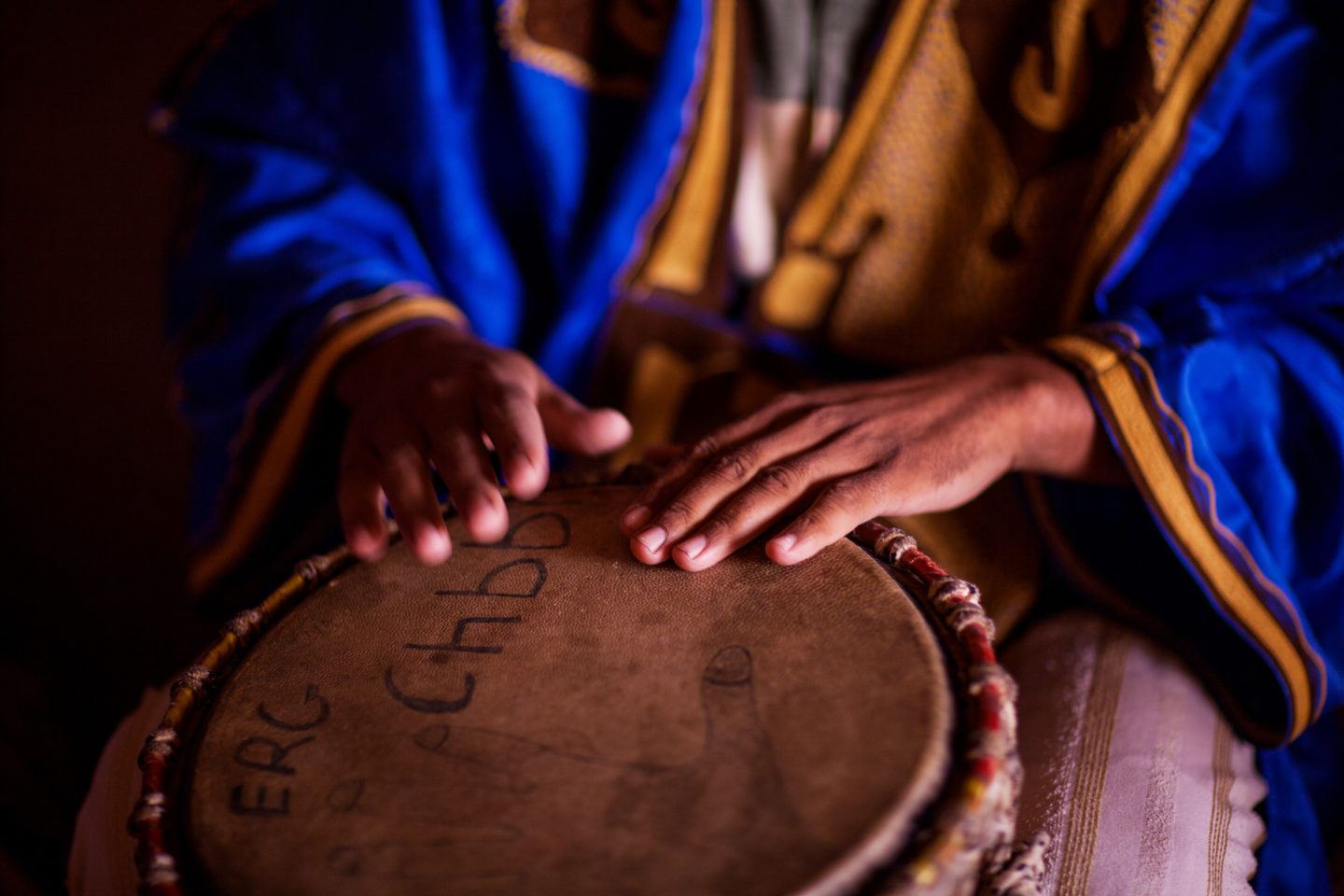
Just two hours’ flight from Switzerland and with an enviable climate – even in winter average temperatures are 18°C – Tunisia is best known for its pristine beaches. But the tip of North Africa also wows visitors with its desert oases, spectacular walled cities and lunar-like landscapes you might recognise from films such as Star Wars. And thanks to Tunisia’s small size, travel is much easier here than in its larger emptier neighbours. Yet you’ll never forget where you are: the smell of harissa wafts through the air while Malouf music sets the rhythm.


Where it is
North Africa
When to go
Spring or autumn

Why go there
Ancient ruins
Dramatic landscapes
Beautiful beaches
What to see
Carthage
The Sahara
Hammamet

Where Rome once ruled
As the first African territory occupied by Rome, Tunisia’s landscape is dotted with ruins so come and discover this ancient heritage at sites like Carthage and El Jem.

The blue and white town
With its white-washed buildings crowned by blue domes, the coastal town of Sidi Bou Said could almost be on a Greek island. See for yourself with Cosa.

Hang out in Hammamet
Want to dig your toes into the sand? Head to Hammamet, a charming walled town fronted by golden shores and backed by green hills and orange groves.

Desert of dreams
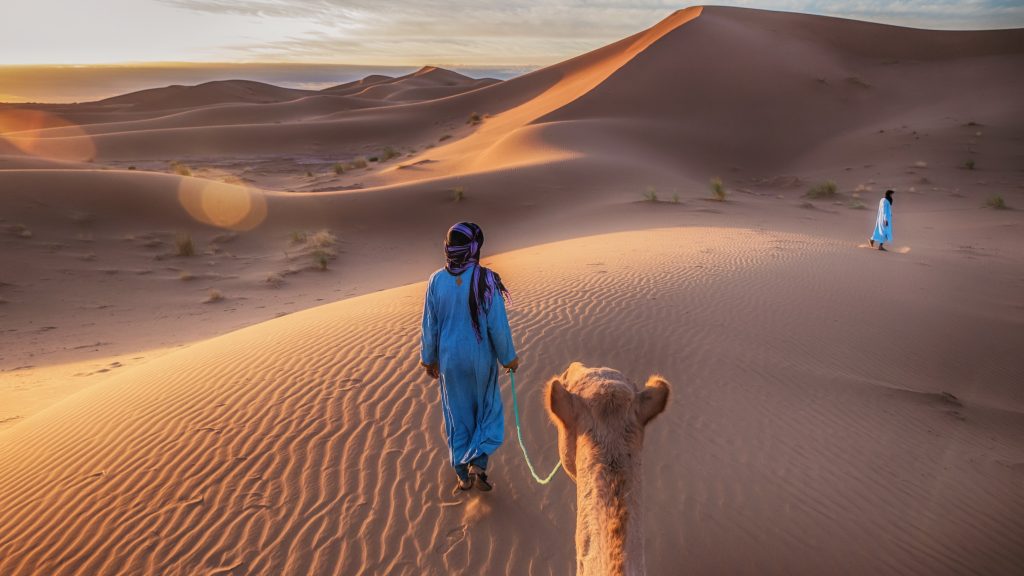
The south is home to a swathe of the Sahara. Explore the rugged desert in a chauffeured 4×4 before experiencing the dunes at sunset astride a camel.

Travel in Tunisia
You might be tempted to spend all your time in the north with its beautiful coastline and the busy capital, Tunis. But venture beyond the beach to discover the delights of the desert, although not in high summer. The best time to visit is April to June or September to November when the weather is balmy but not blistering. Whenever you come, keep in mind that Tunisia is an Islamic country so don’t forget to dress more modestly than usual, especially when visiting religious sites.
Tunisia facts
Sandwiched between Libya and Algeria, Tunisia has been ruled by almost everyone in the Mediterranean: Phoenicians, Romans, Ottomans and finally the French who left in 1956. Protests ignited the Arab Spring in late 2010, prompting a complete change of government and today the situation is still fluid. Arabic is the official language, although many people speak French. While in Tunisia, be sure to try traditional dishes such as brick à l’oeuf, or filo-like pastry stuffed with an egg yolk, folded into a triangle and then deep-fried.
Time zone
UTC +1
Flight time
2 hours from Switzerland

Local currency
Tunisian dinar
Dialling code
+216

Last updated