
Inspirations by Cosa
Inspirations by Cosa Logo Cosa

Inspirations 2026

Inspire me
Overview Country

Colombia

A colourful country full of history and natural wonder

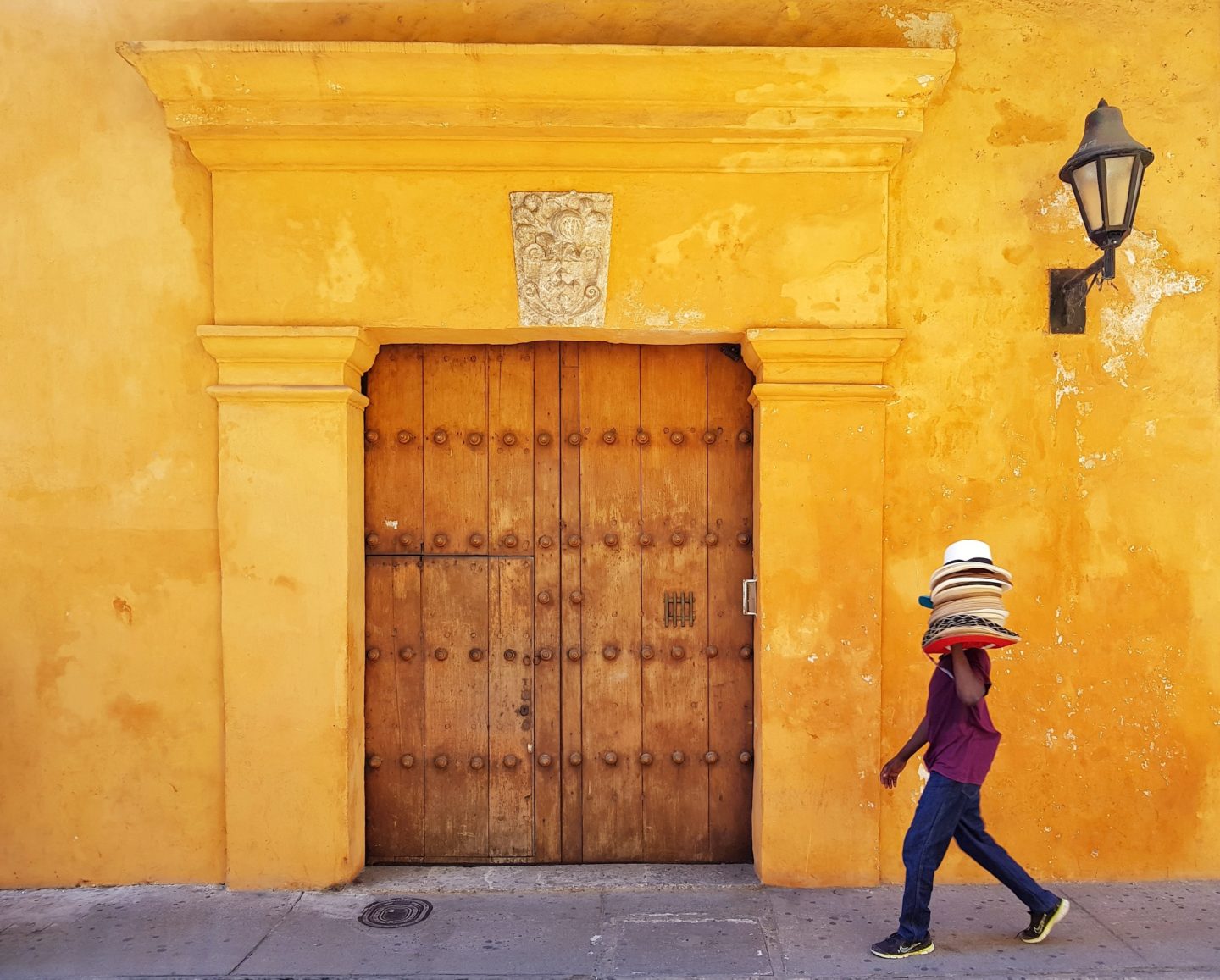
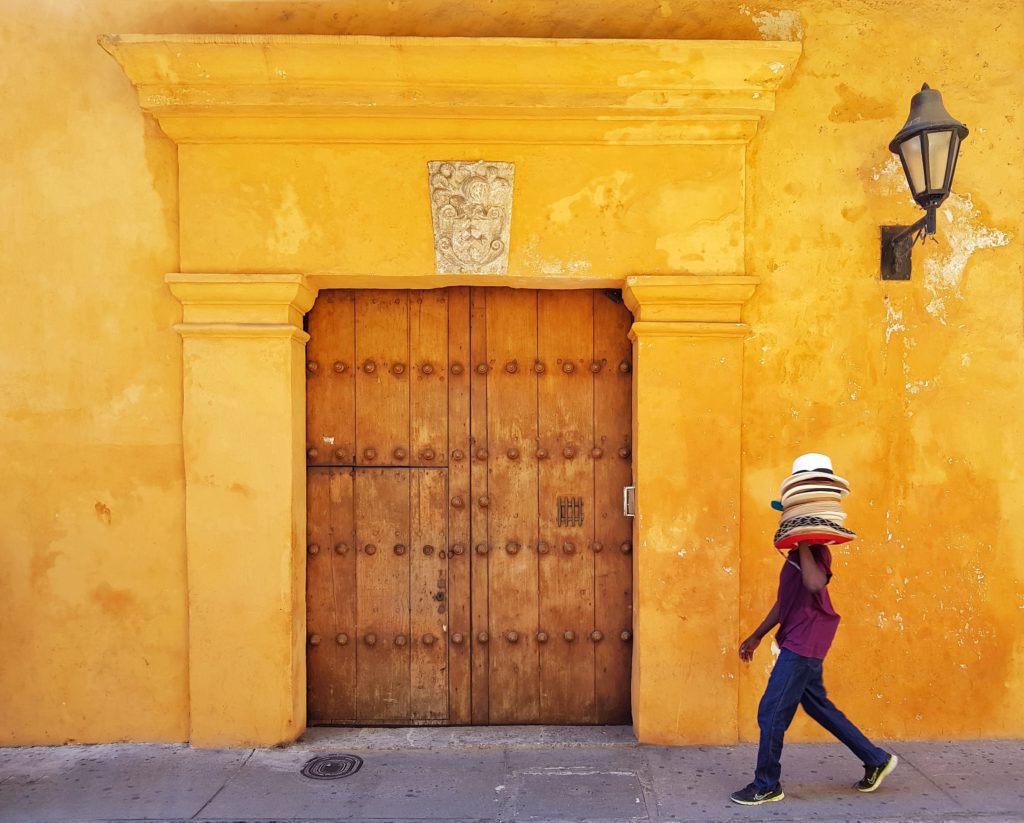
Find the perfect traditional hat in Colombia

Turquoise seas and lush rainforests, archaeological ruins and dramatic mountains, colonial towns and coffee plantations: in Colombia you can find a little bit of everything you’d ever want from a South American country. Three decades after the death of infamous cartel boss Pablo Escobar, Colombia is finally finding peace and getting the attention it deserves. Now is the perfect time to explore and enjoy Colombia with Cosa – before everyone else catches on.

Discover the most exotic flowers of Colombia
cosa pin pictogram

Where it is

South America

cosa calendar pictogram

When to go

November to March

Why go there

Why go there

Colonial towns
Brilliant beaches
Coffee plantations


cosa what to see pictogram

What to see

Cartagena
Zona Cafetera
Rosario Islands

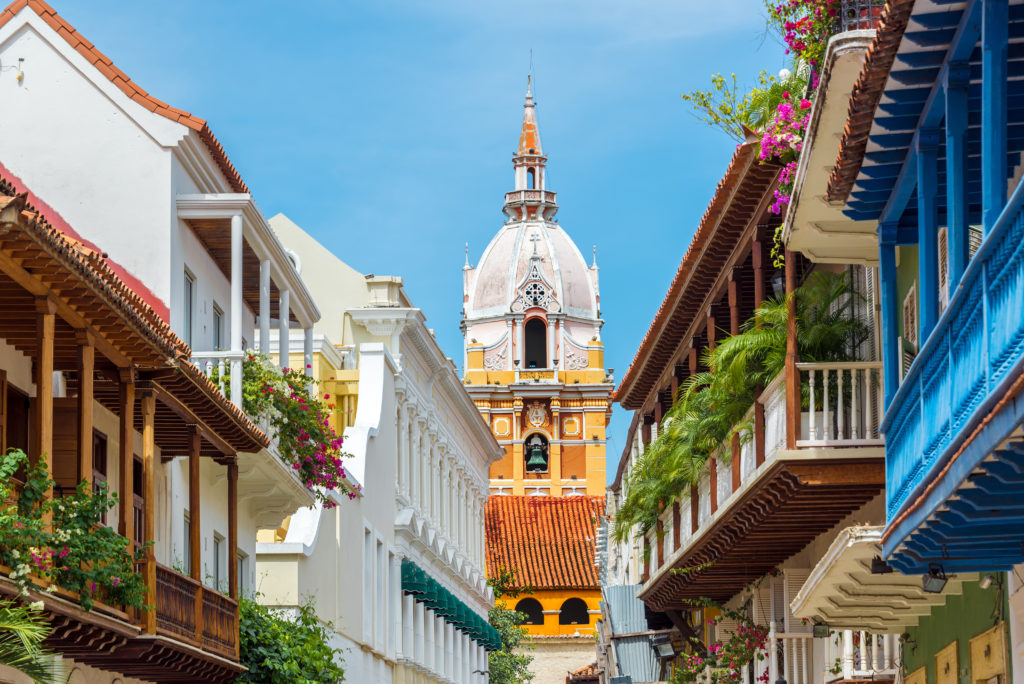
The cathedral is dedicated to Catherine of Alexandria

Meet a Caribbean queen

The cathedral is dedicated to Catherine of Alexandria

Stroll through Cartagena’s fortified old town admiring cobbled alleys, historic churches and flower-bedecked balconies straight out of a García Marquez novel.

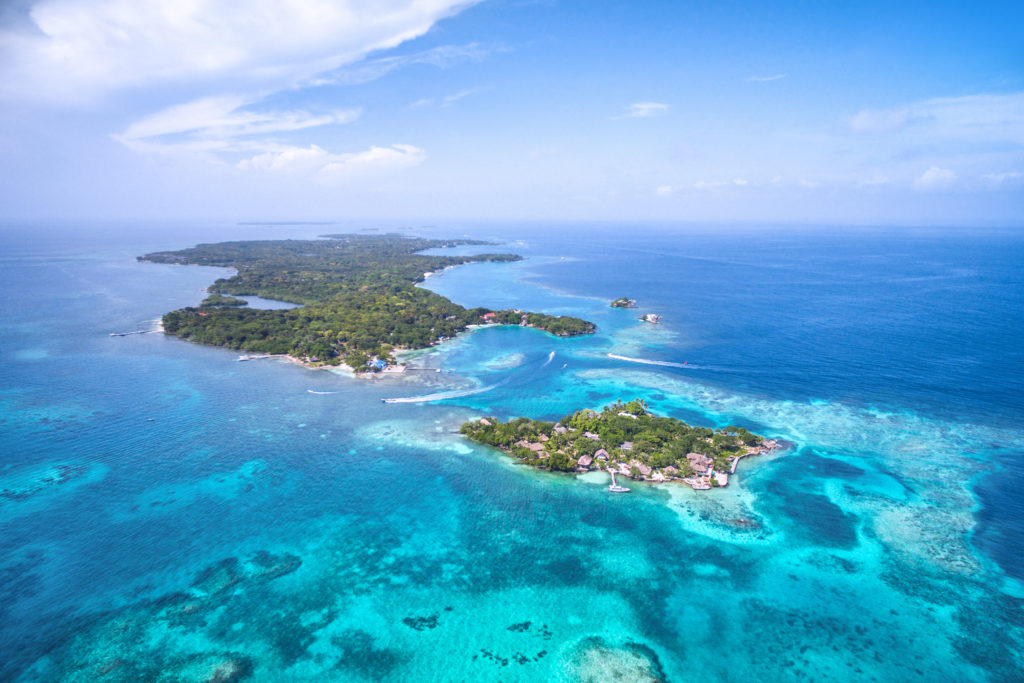
The Rosario Islands form an archipelago on the Caribbean coast of Colombia

Escape to the islands

The Rosario Islands form an archipelago on the Caribbean coast of Colombia

Out in the sparkling Caribbean Sea lie the idyllic Rosario Islands, an archipelago of crystal-clear waters, coral reefs and barely any people.

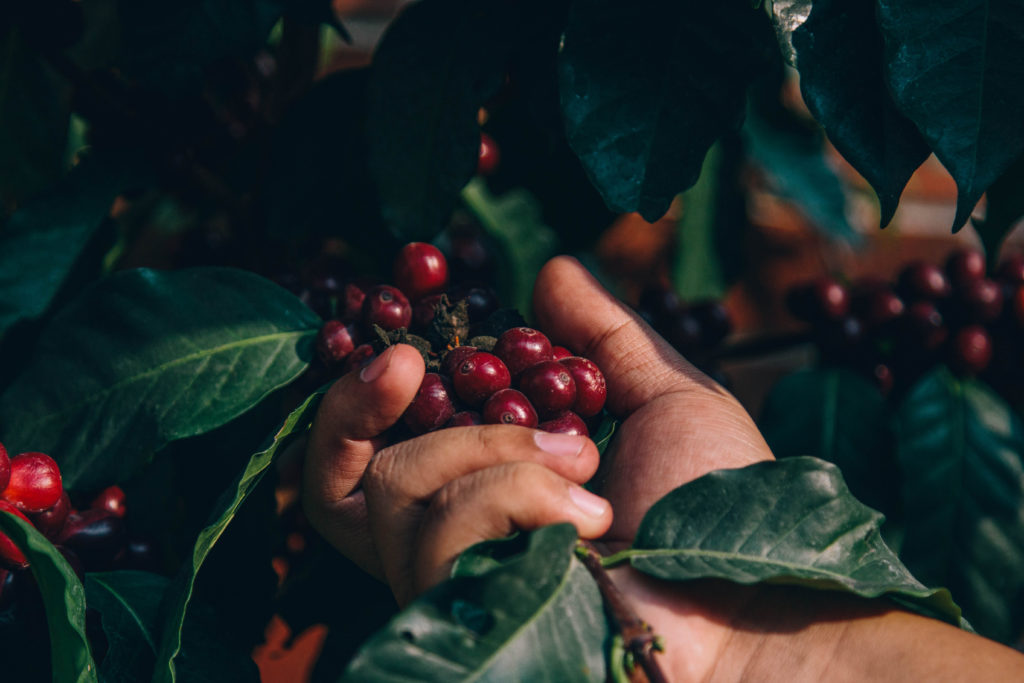
Colombia is one of the major coffee-producing countries in the world

Taste the coffee

Colombia is one of the major coffee-producing countries in the world

Don’t leave Colombia without sampling its magic beans. In the small towns of the Zona Cafetera, such as Salento, you can enjoy a private tour of a working coffee farm.

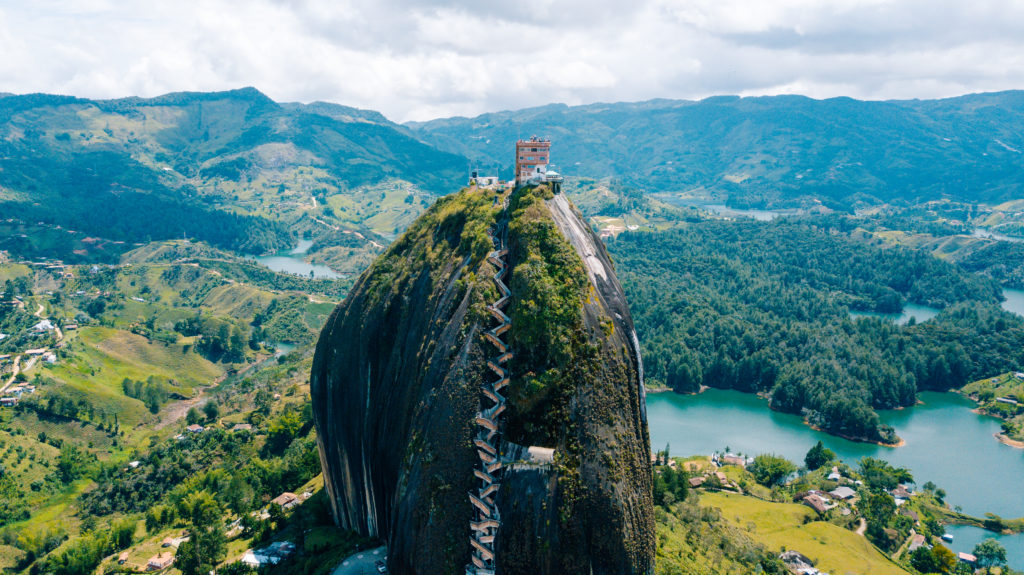
The Rock of Guatapé is a landmark inselberg in Colombia

Relax in Guatape

The Rock of Guatapé is a landmark inselberg in Colombia

Come to charming Guatape to chill in its rainbow-coloured alleys, go out on the water or climb to the top of lofty La Piedra del Penol for the panoramic view.

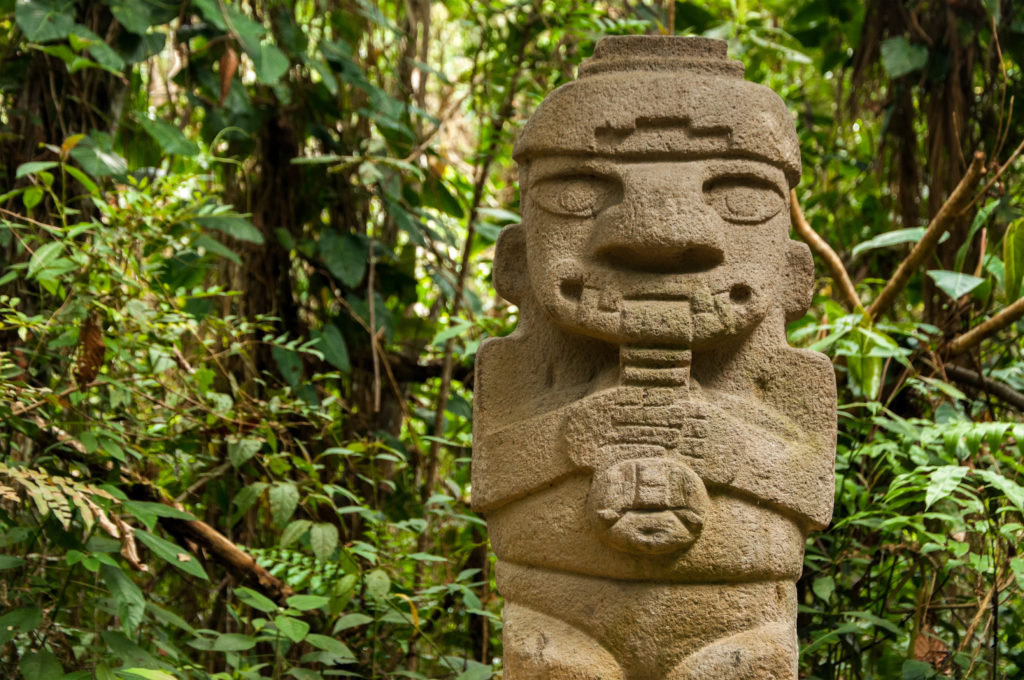
Explore the pre-Columbian carved statues

Travel in Colombia

Explore the pre-Columbian carved statues

As the fourth largest country in South America, Colombia isn’t always the easiest place to get around. From the idyllic Caribbean coast to the extensive Amazon rainforest, and with a spine of the Andes mountains, the country has distinct natural regions. Our travel experts have first-hand experience of travelling in Latin America’s best-kept secret so we can create an itinerary packed full of opportunities for you to both chill and be thrilled.

Colombia facts

Aptly nicknamed the gateway to South America (it connects the continent with Central America to the north), Colombia gained independence from Spain in 1819. With 51 million inhabitants, it’s home to the world’s second-largest population of Spanish-speaking people. Colombians are incredibly patriotic with the national anthem – ¡Oh gloria inmarcesible! – played daily at 6am and 6pm on radio and TV. Locals also like to party, something reflected in the fact that the country has an enviable 18 public holidays each year.

cosa time zones pictogram

Time zone

UTC -5

cosa plane taking off pictogram

Flight time

15 hours from Switzerland

cosa local currency pictogram

Local currency

Colombian Peso

Dial code by country

Dialling code

+57

Overview Destination

The small capital city with
a big personality

Amsterdam, The Netherlands

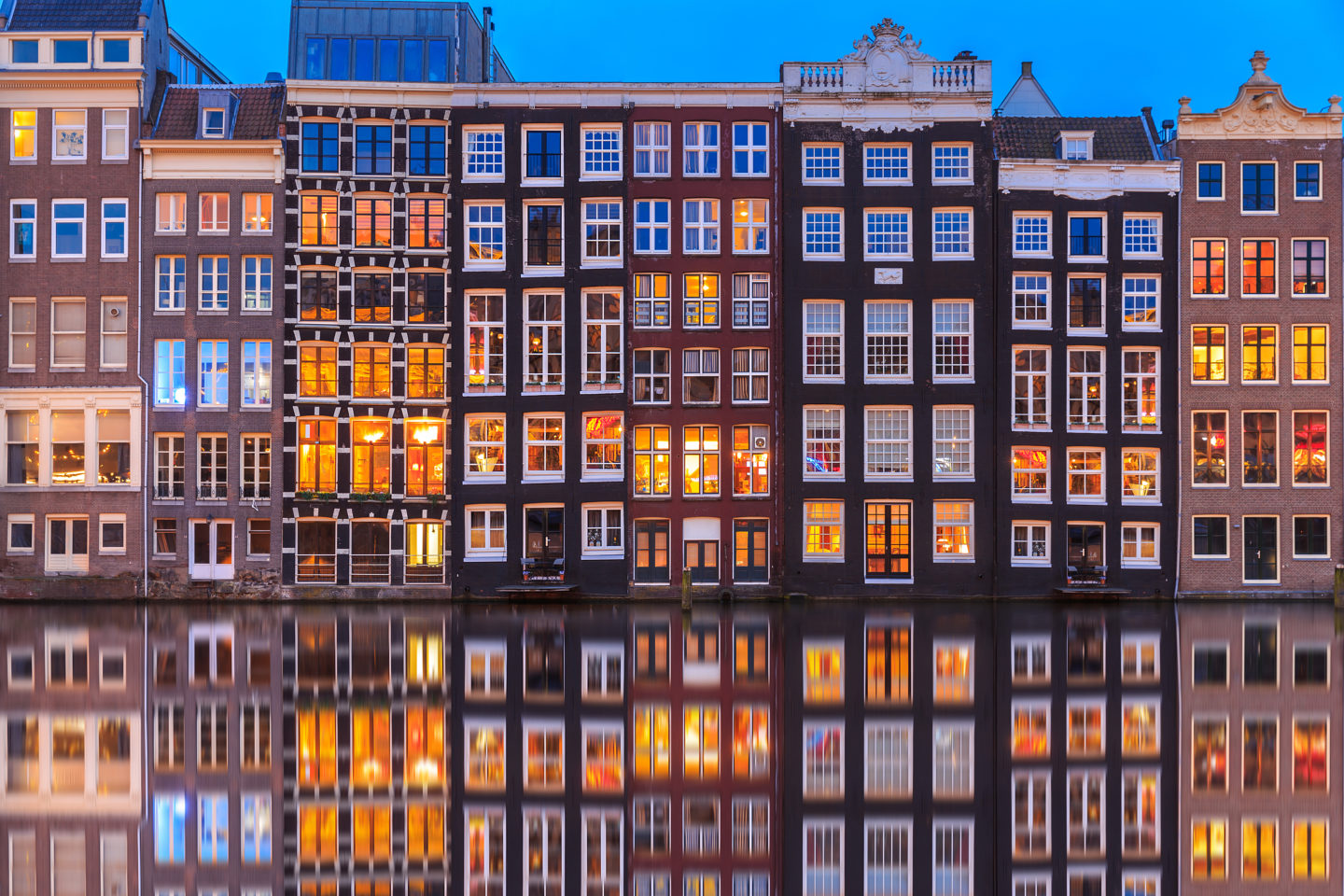
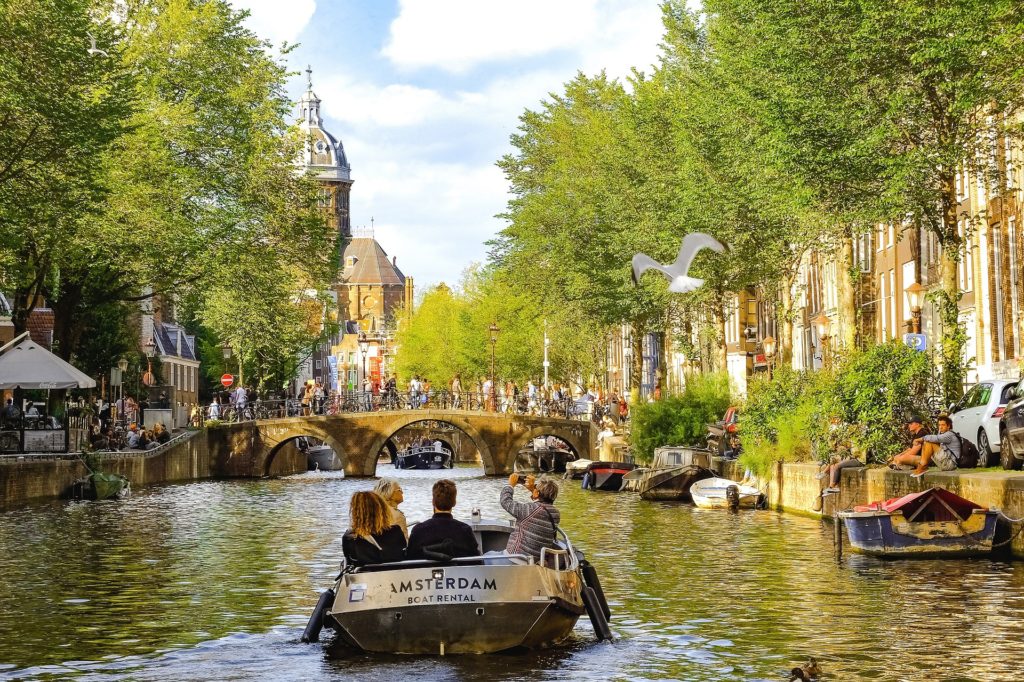
Explore the beautiful river houses of Amsterdam

Amsterdam may be small but the Dutch capital certainly packs a lot in to its compact centre. Wander through cobblestone streets and along Golden Age canals to explore world-class museums, chic boutiques and maybe even the red-light district in De Wallen. Enjoy a drink in a laid-back cafe or a meal in an Indonesian restaurant while listening to the constant ding-a-ling of bicycle bells. The best part? With Cosa, you can experience every aspect on foot or by bike, with or without a private guide.

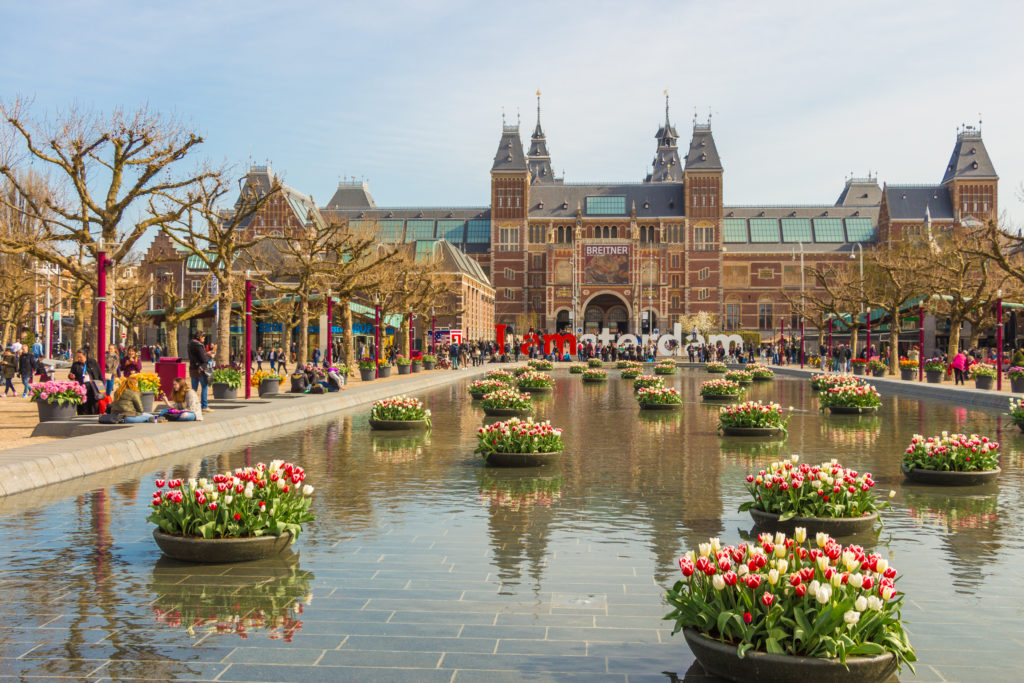
The Rijksmuseum is one of Amsterdam's grandest and most popular museum

Admiring art

The Rijksmuseum is one of Amsterdam's grandest and most popular museum

Art is everywhere in Amsterdam but it would be remiss not to visit Rijksmuseum, Holland’s national museum, whose 80 galleries span 800 years of Dutch art. Expect masterpieces by Vermeer, Hals and Rembrandt. For more of Rembrandt, make for Rembrandt House while the Van Gogh Museum houses the world’s largest collection of the tormented artist’s work.

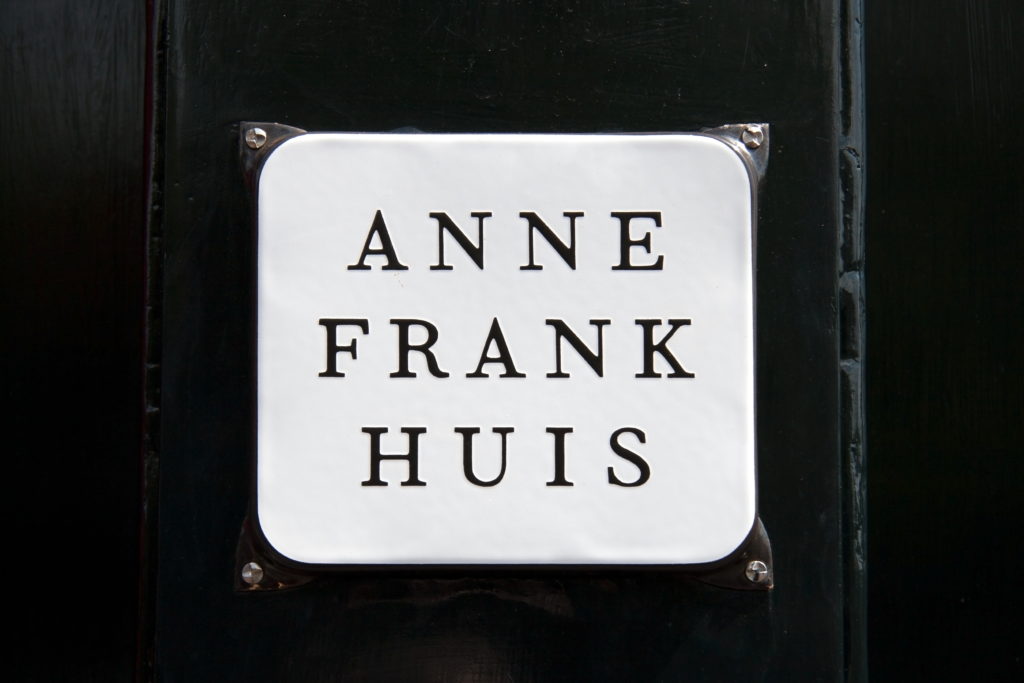
Anne Frank is one of Amsterdam's most well known former residents

Visiting Anne

Anne Frank is one of Amsterdam's most well known former residents

Even if you’re feeling all museum-ed out, do visit Prinsengracht 263, the house where Anne Frank, her family and her famous diary hid for so long from the Nazis. The sobering journey takes you through a labyrinth of small rooms and staircases to the secret annex where the Franks spent two years. It is one of Amsterdam’s most moving experiences.

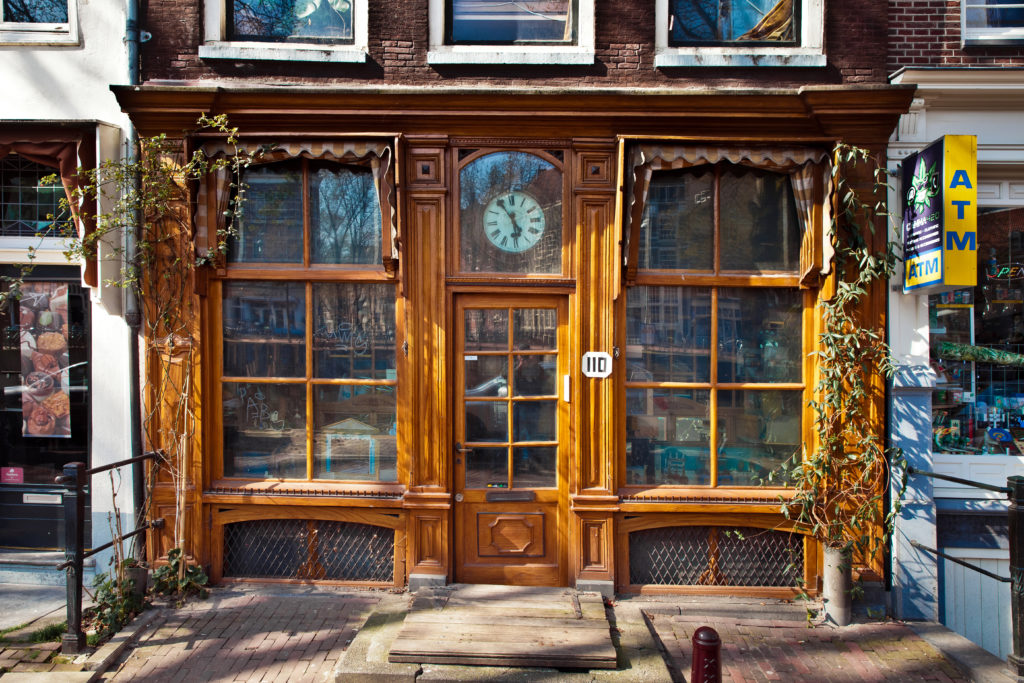
Visit a vintage interior shop in the heart of Amsterdam

Sit and relax

Visit a vintage interior shop in the heart of Amsterdam

For an authentic taste of Amsterdam, pull up a stool in one of the city’s famed brown cafes, named for their traditional wooden interiors and smoke-stained walls. Every neighbourhood has its share of these atmospheric watering holes but they aren’t all the same. Cosa can take you to the best ones, complete with a cast of friendly locals and staff.

A canal cruise is a must while visiting Amsterdam

Bike and boat

A canal cruise is a must while visiting Amsterdam

Amsterdam is a city of cyclists – bikes are how residents commute to work and meet friends – and two wheels are also a great way to discover the sights. If locals aren’t on a bicycle, they’re probably on a boat. We can arrange for you to hop on an unforgettable private cruise along the 17th-century canals and admire the city’s opulent gables.

Travel to Amsterdam to see the tulips at their best

Essential Amsterdam

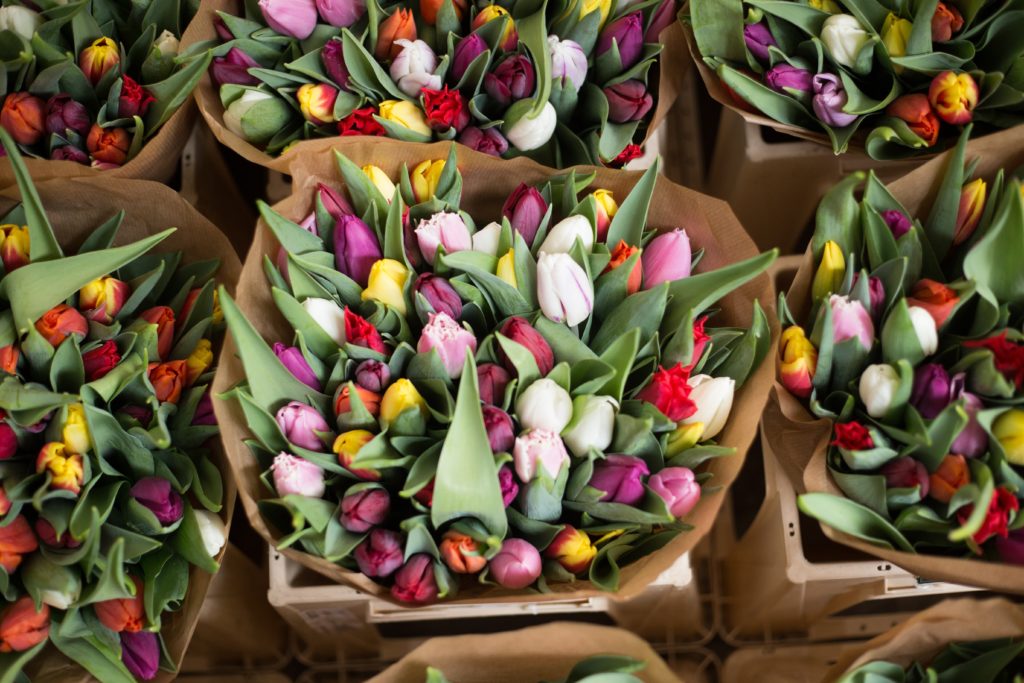
Travel to Amsterdam to see the tulips at their best

The official capital of the Netherlands is famous for its grand canals, for having the highest museum density in the world, and for being as bike-friendly as it is gay-friendly. Its population of almost 900,000 is generally open-minded, and as likely to enjoy a cannabis cafe as much as a can of Heineken – the beer brand was founded here in 1864. If you want to meet the locals and explore their city their way, get in touch and let us arrange the perfect Amsterdam escape for you.

cosa pin pictogram

Where it is

Western Europe

cosa calendar pictogram

When to go

All year

Why go there

Why go there

Cycling
Cafes
Museums

cosa what to see pictogram

What to see

Rijksmuseum
Anne Frank’s House
The 17th-century canals

Overview Destination

Where ancient history meets modern hedonism

Athens, Greece

Seek the historic city and capital of Greece

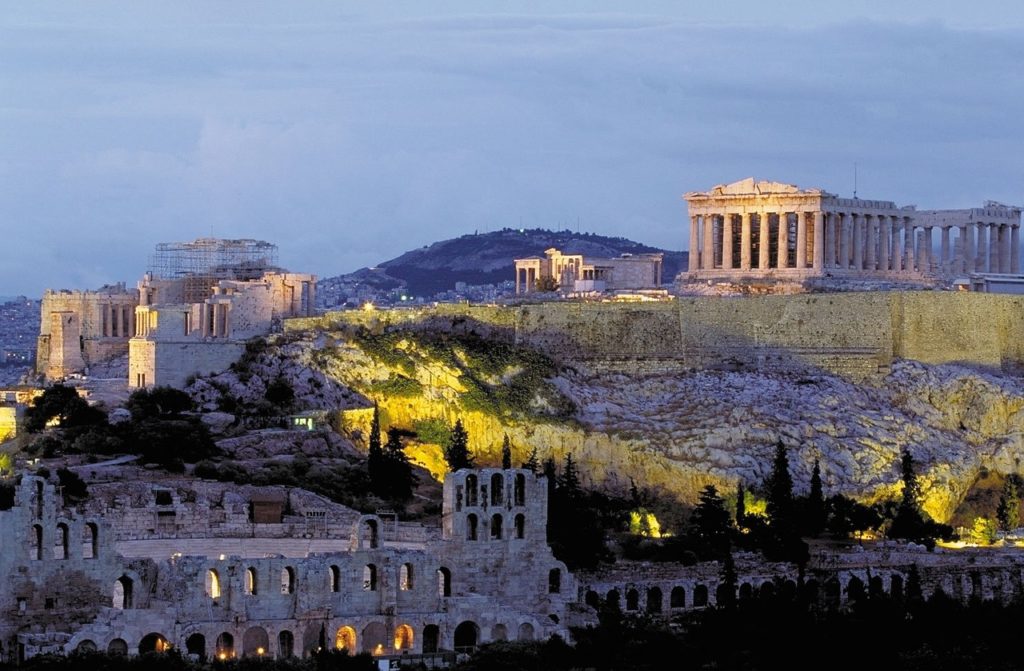
The charismatic capital of Greece is an intoxicating mix of ancient and modern. The towering Acropolis and its crowning glory, the Parthenon, look down on the city from a lofty perch. And wherever you wander, you come across centuries of architecture, from Byzantine churches to Ottoman mansions. Yet Athens is also surprisingly modern with edgy neighbourhoods packed full of rooftop bars and trendy boutiques. Best of all: everything is within walking distance. Are you ready to discover the past and present of this magical metropolis?

The Acropolis is the most important ancient site in the Western world

The amazing Acropolis

The Acropolis is the most important ancient site in the Western world

Built in the 5th century BC, the Acropolis is simply unmissable. Of course, the glorious marble monument can get busy but Cosa can arrange for you to commune with the stones without the crowds. After marvelling at the Parthenon & Co, make sure you get the back story on the sacred rock at the excellent Acropolis Museum.

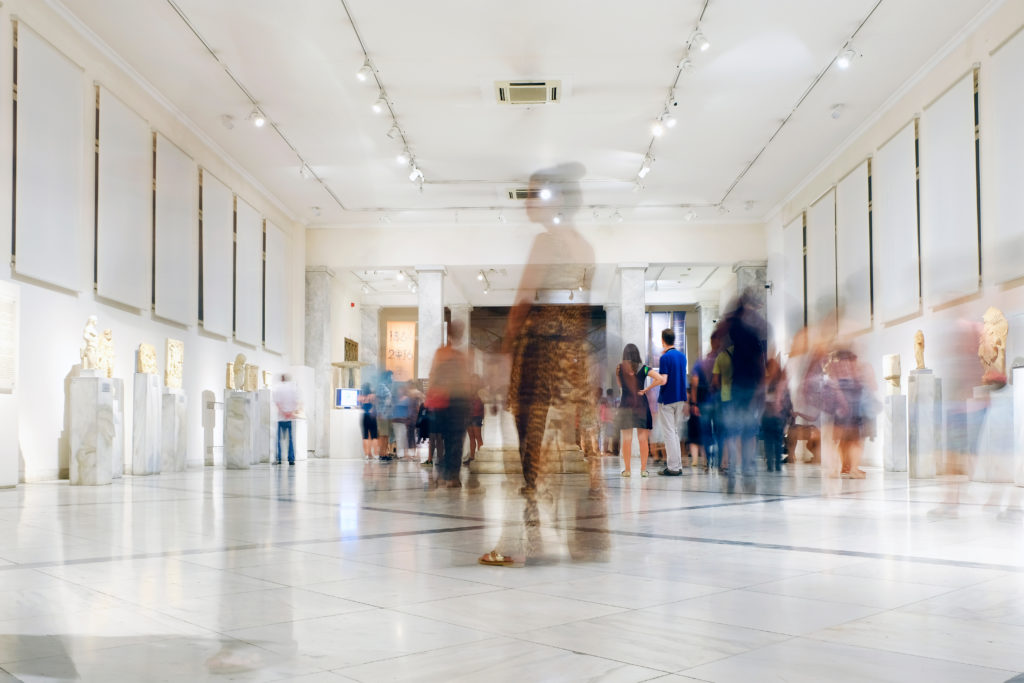
Visit the archaeological museum of Athens

The magnificent museums

Visit the archaeological museum of Athens

To delve deeper into Greek culture, amble along Vasilissis Sofias Avenue, aka Museum Mile. Start at the Benaki Museum of Greek Culture, an elegant edit of local arts through the ages. Close by lies the Museum of Cycladic Art, home to more than 3,000 artefacts of Cycladic, Ancient Greek and Cypriot origin. Round off with religious art at the Byzantine and Christian Museum.

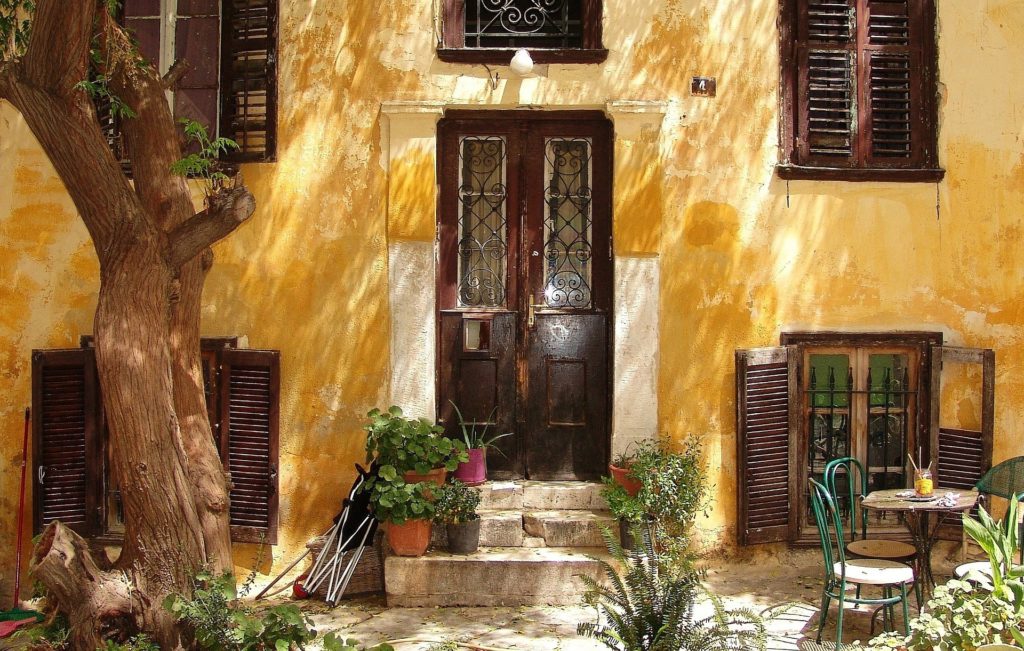
Exploring ancient sites and more in Athens' best neighborhoods

The dynamic districts

Exploring ancient sites and more in Athens' best neighborhoods

Explore the hip neighbourhoods of Kypseli, Neos Kosmos and Keramikos. These areas of Athens are being revived by young creatives and you can discover their hip cafes and design studios with us. Our Athens experts have insider knowledge of what to see and do in the up-and-coming districts that are off from the tourist trail.

The Panathenaic Stadium or Kallimarmaro is a multi-purpose stadium in Athens

The exclusive exercise

The Panathenaic Stadium or Kallimarmaro is a multi-purpose stadium in Athens

Get to grip with Athens’ sporting history at the horseshoe-shaped Panathenaic Stadium, home to the first modern Olympic games in 1896. We can arrange for you to jog around the stunning marble track, before discovering the origins of the Athens Marathon, courtesy of a local athlete. It’s a unique opportunity to gain Olympic insight through exercise.

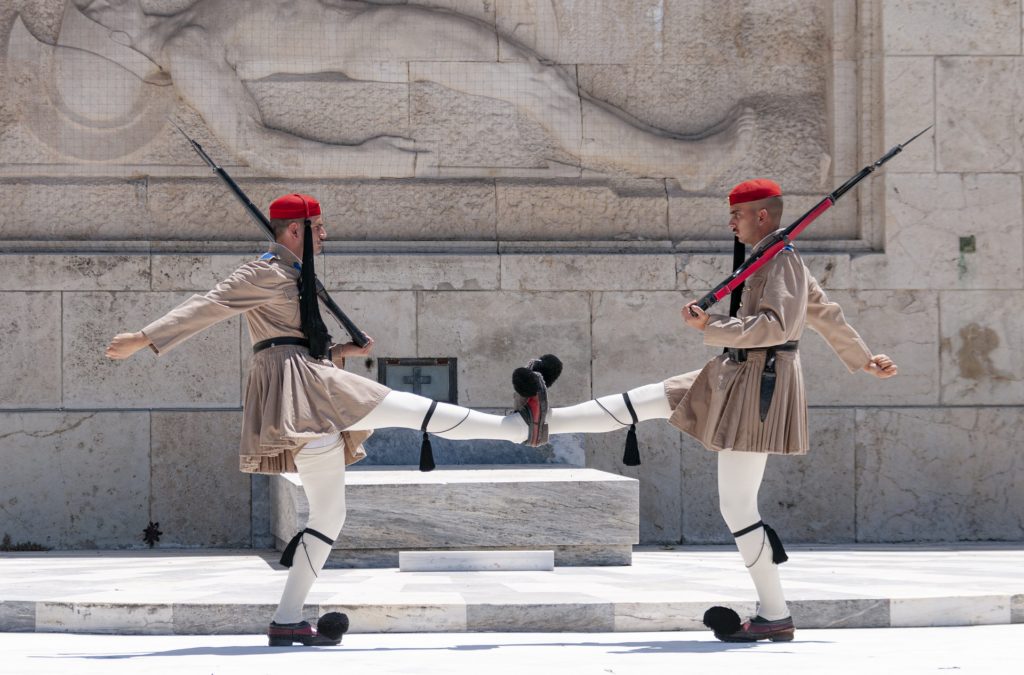
The Changing of the Guard of the Evzones in Athens is a true highlight

Essential Athens

The Changing of the Guard of the Evzones in Athens is a true highlight

Home to Plato and Aristotle, Athens is considered the birthplace of both democracy and Western civilisation. History still reverberates around every corner but it’s also a modern city that’s home to over four million people – more than a third of the Greek population – and one of few European capitals to enjoy a sparkling coastline. Athens owes its name to Athena, the Greek goddess of wisdom, who became the city’s patron after winning a contest with the god of water, Poseidon.

cosa pin pictogram

Where it is

​​Southern Europe

cosa calendar pictogram

When to go

September to June

Why go there

Why go there

Mystical history
Ancient culture
Delicious food

cosa what to see pictogram

What to see

The Acropolis
Museum Mile
Hip neighbourhoods

Overview Destination

Sunshine and soul
in the heart of Spain

Madrid, Spain

Visit the museum Galeria de las Colecciones Reales that will open in the summer of 2023

Madrid stands head and shoulders above other capitals. Not only because of its world-class art museums, buzzing nightlife and phenomenal tapas bars, but also because it’s up at 650 metres above sea level. That makes it the highest capital city in the EU. Home to not one but two world-famous football clubs, the Spanish metropolis is also about bullfighting, people-watching and boutique shopping. But it’s the Madrilenians themselves that really make this inland city, and Cosa can help you enjoy the capital of Spain like a local.

Art lovers have their particular Bermuda Triangle in Madrid, the known as Golden Triangle

Magnificent museums

Art lovers have their particular Bermuda Triangle in Madrid, the known as Golden Triangle

Madrilenians love their city’s big three museums: the Prado, Thyssen-Bornemisza and Reina Sofia, aka the Golden Triangle of Art. They’re located along the tree-lined Paseo Del Prado, and offer a trip through ​​Western art history. The trio can get crowded – as global icons often do – but Cosa can arrange for you to visit at a quieter time.

El Retiro Park has become Madrid's most renowned park

Park pleasures

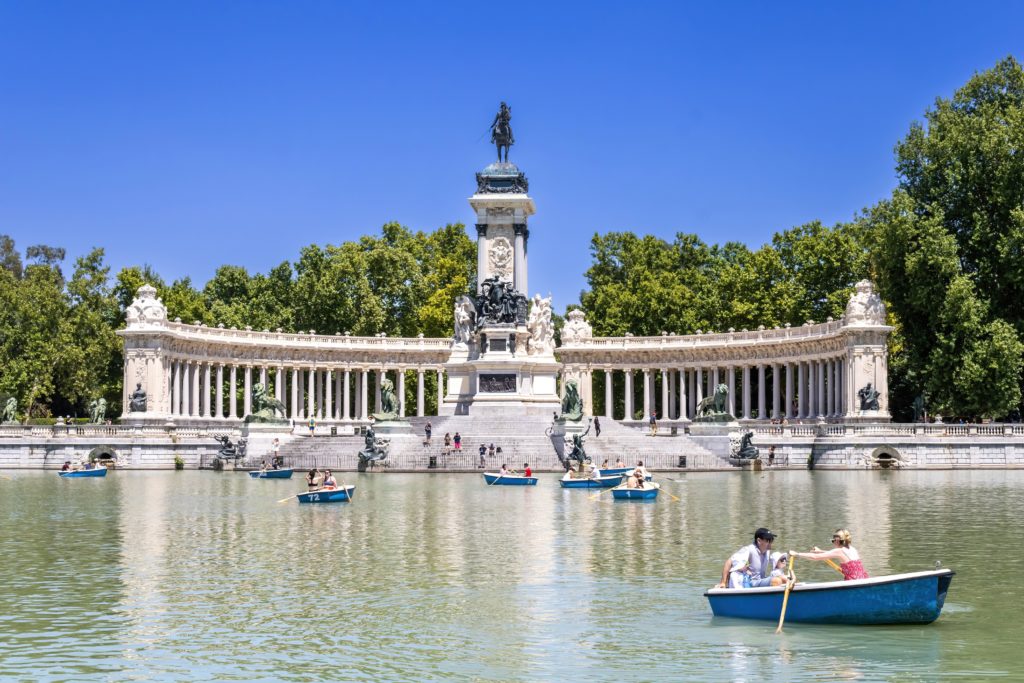
El Retiro Park has become Madrid's most renowned park

A leisurely stroll in El Retiro park, which belonged to Spanish royals until the 19th century, is a time-honoured Madrid tradition. Alternatively, if you want to work off some of the tapas and cocido madrileño (a famous Madrid chickpea stew) you’ve been devouring, hire bikes or row a boat around the lake. Or just watch the world go by.

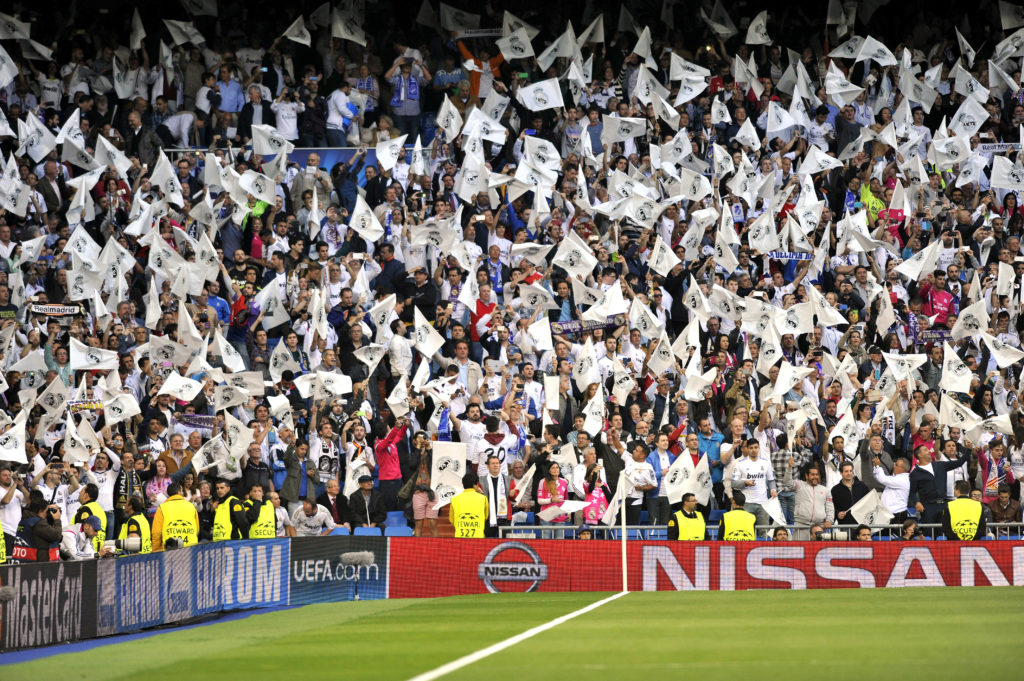
The official name of the Real Madrid stadium is Estadio Santiago Bernabéu

Football fans

The official name of the Real Madrid stadium is Estadio Santiago Bernabéu

Football isn’t just a game in the Spanish capital, it’s a religion. And a visit to Real Madrid’s space-age Santiago Bernabeu stadium is akin to visiting a theatre – fans arrive expecting to be entertained by their players on the pitch and don’t hesitate to wave white handkerchiefs to signal their disapproval at a decision or a defeat.

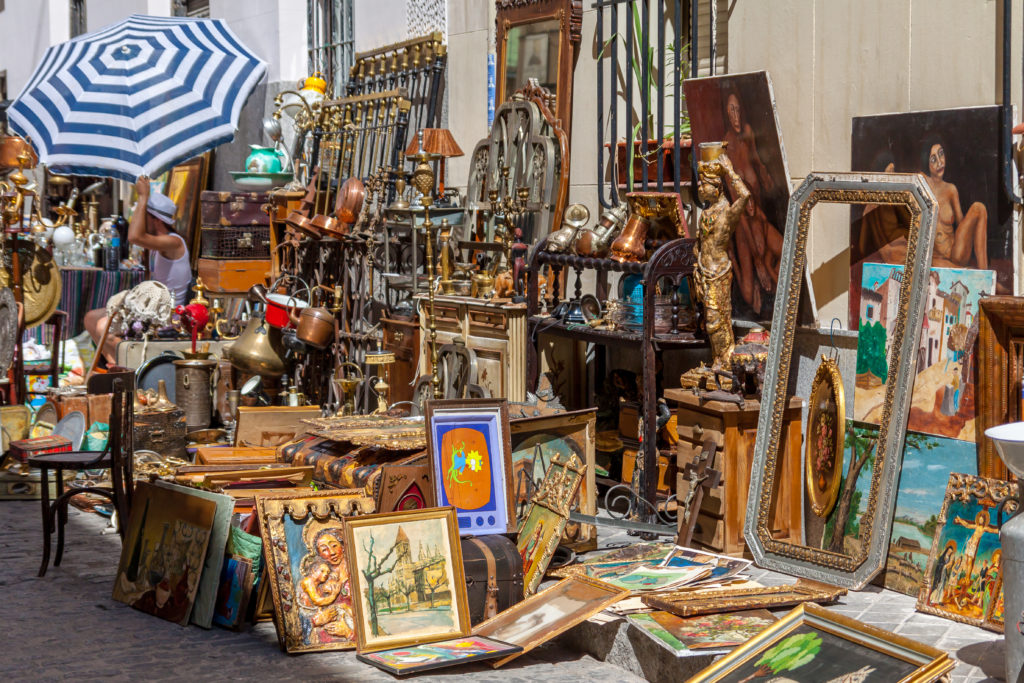
Get ready to explore Madrid's most famous flea market

Magical markets

Get ready to explore Madrid's most famous flea market

Shopping for vintage tea sets and antiques at El Rastro is an institution. Madrid’s biggest flea market takes place every Sunday in the traditional neighbourhood of La Latina, and we can take you to the best secret little stalls. Food more your thing? At Mercado de San Miguel, tuck into classic delights like Spanish stacks of Piquillo peppers and plump olives.

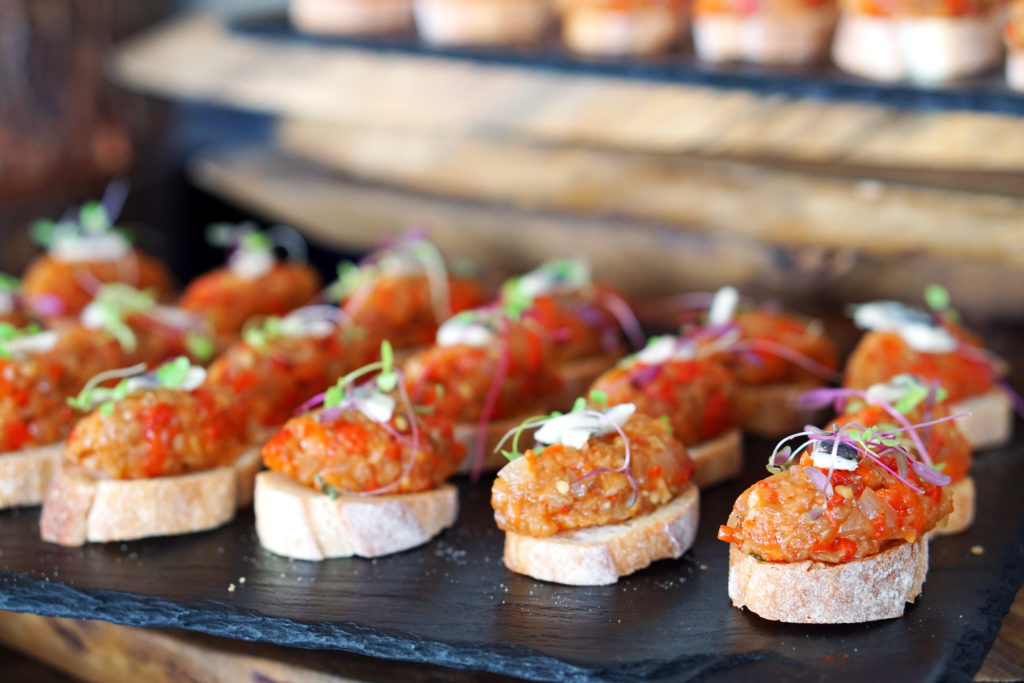
Enjoy one of the best tapas in Madrid

Essential Madrid

Enjoy one of the best tapas in Madrid

The capital of Spain since the 17th century, Madrid is one of Europe’s sunniest cities with more than 300 days of sunshine each year. English isn’t too widely spoken in Madrid, making it the perfect place to practise your Spanish over a few plates of tapas. But don’t arrive early: lunch in Madrid rarely begins before 2pm and is followed by a siesta, while dinner starts around 10pm. Summer can be brutally hot so that even many of the city’s 3.5 million inhabitants escape.

cosa pin pictogram

Where it is

Southern Europe

cosa calendar pictogram

When to go

September to June

Why go there

Why go there

Art
Tapas
Nightlife

cosa what to see pictogram

What to see

The Golden Triangle
El Retiro Park
Mercado de San Miguel

Overview Country

Ecuador

A small country that packs a punch with its wildlife and landscapes

The blue-footed booby is large seabird, commonly found on the Galapagos islands

Sitting on the equator between Colombia and Peru, this small South American nation often gets overlooked. Ecuador is actually almost as large as Italy but with such big neighbours, it’s like a middle child overshadowed by its limelight-hogging siblings. Despite its diminutive size, Ecuador offers the whole range of experiences, from Amazonian rainforest and active volcanoes to idyllic islands and historic cities. Ecuador’s unique appeal lies also in the diverse mix of people: it’s their stories you’ll remember as much as the landmark sights.

Artisanal fisher in Ecuador with fresh tuna
cosa pin pictogram

Where it is

South America

cosa calendar pictogram

When to go

June to September

Why go there

Why go there

Colonial architecture
Fascinating wildlife
Amazon adventures


cosa what to see pictogram

What to see

Quito
Galapagos Islands
The Amazon

Explore Ecuador's distinctive modern architecture in Quito

The capital in the clouds

Explore Ecuador's distinctive modern architecture in Quito

Hemmed in by the Amazon basin on one side and Cotopaxi volcano on the other, and perched sky-high in the Andes, Quito is – quite literally – breathtaking.

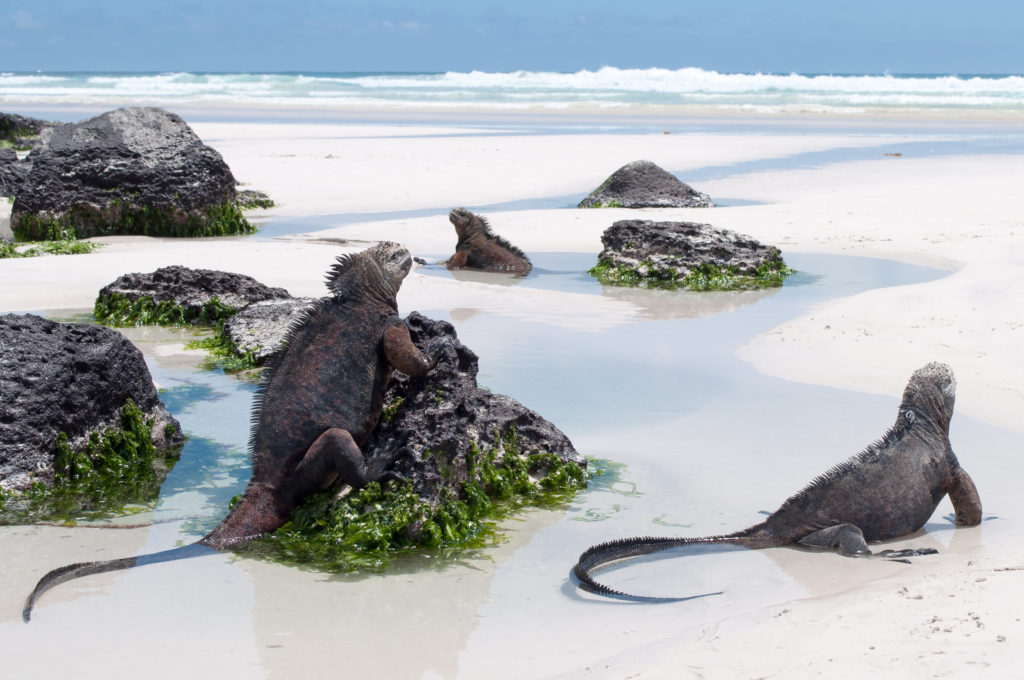
The Galapagos Islands are a truly magical place

Islands of adventure

The Galapagos Islands are a truly magical place

One of the greatest national parks on earth, the Galapagos Islands are home to some of the most remarkable flora and fauna – and Cosa can arrange exclusive tours.

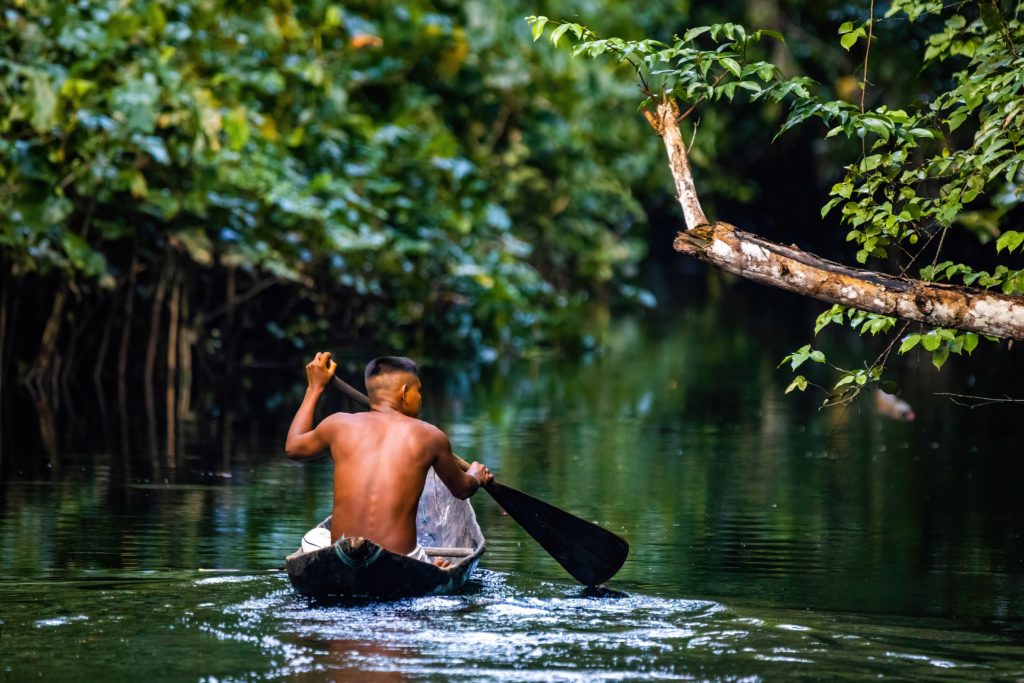
Indigenous tribes in the amazon rainforest in Ecuador

Into the Amazon

Indigenous tribes in the amazon rainforest in Ecuador

The Ecuadorian Amazon teems with life. Seeing sloths, snakes, monkeys and caiman is virtually guaranteed; you might also spot rarer species such as pink river dolphins and pumas.

A visit to the Otavalo market is one of the most popular things to do in Ecuador

Handicraft heaven

A visit to the Otavalo market is one of the most popular things to do in Ecuador

The northern town of Otavalo is famous throughout Latin America for its colourful open-air market, where age-old artisan practices such as weaving and pottery continue to flourish.

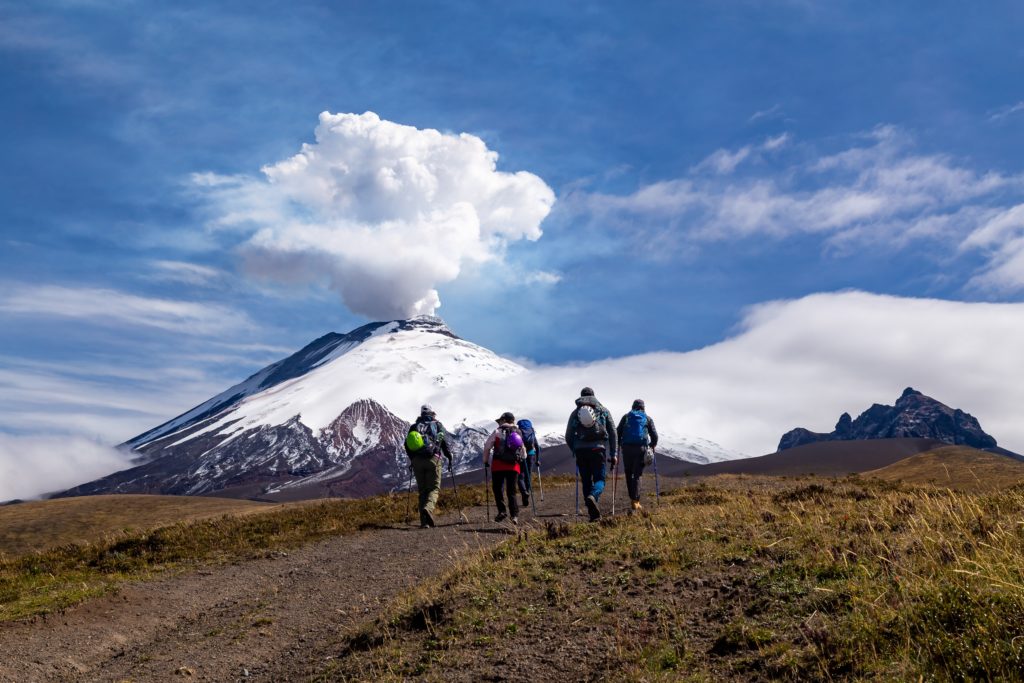
Cotopaxi is an active stratovolcano located in Ecuador

Travel in Ecuador

Cotopaxi is an active stratovolcano located in Ecuador

Get an insight into South America’s best-kept secret with Cosa. We’ll help you discover remarkable Ecuador and the Galapagos Islands, from the cobbled streets of Quito to those wildlife-filled remote islands. Barter for indigenous handicrafts in what is possibly Latin America’s best market before immersing yourself in the Amazon. Unlike its continental neighbours, Ecuador is relatively compact and so easy to explore. In essence, if Ecuador isn’t on your bucket list, it’s because you have already been.


Ecuador facts

Located in the north-western corner of South America, Ecuador is named after the equator. At the Mitad del Mundo monument, you can hop between northern and southern hemispheres, or stand with one leg in each. Ecuador was part of the Inca Empire until Spain claimed it as a Spanish colony in the 16th century. It wasn’t until 1822 that Ecuador became independent, although Spanish continues to be the official language. In 2000, the Ecuadorian currency was abandoned in favour of the US dollar.

cosa time zones pictogram

Time zone

UTC -5

cosa plane taking off pictogram

Flight time

about 17 hours from Switzerland

cosa local currency pictogram

Local currency

US dollar

Dial code by country

Dialling code

+593

Overview Country

Hungary

The land of the Magyars at the crossroads of Europe

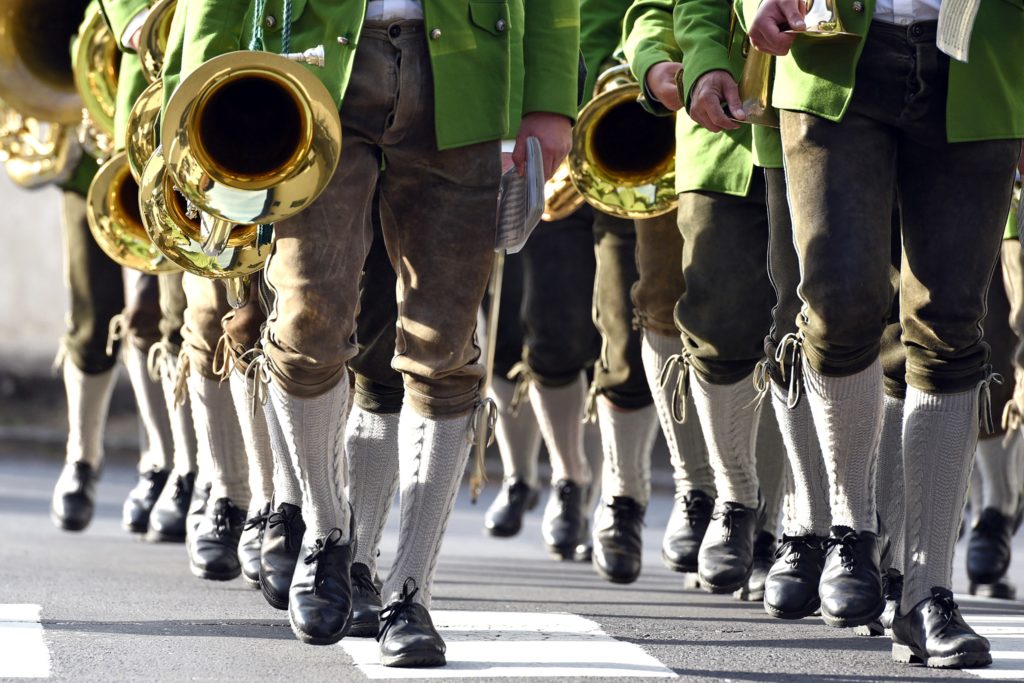
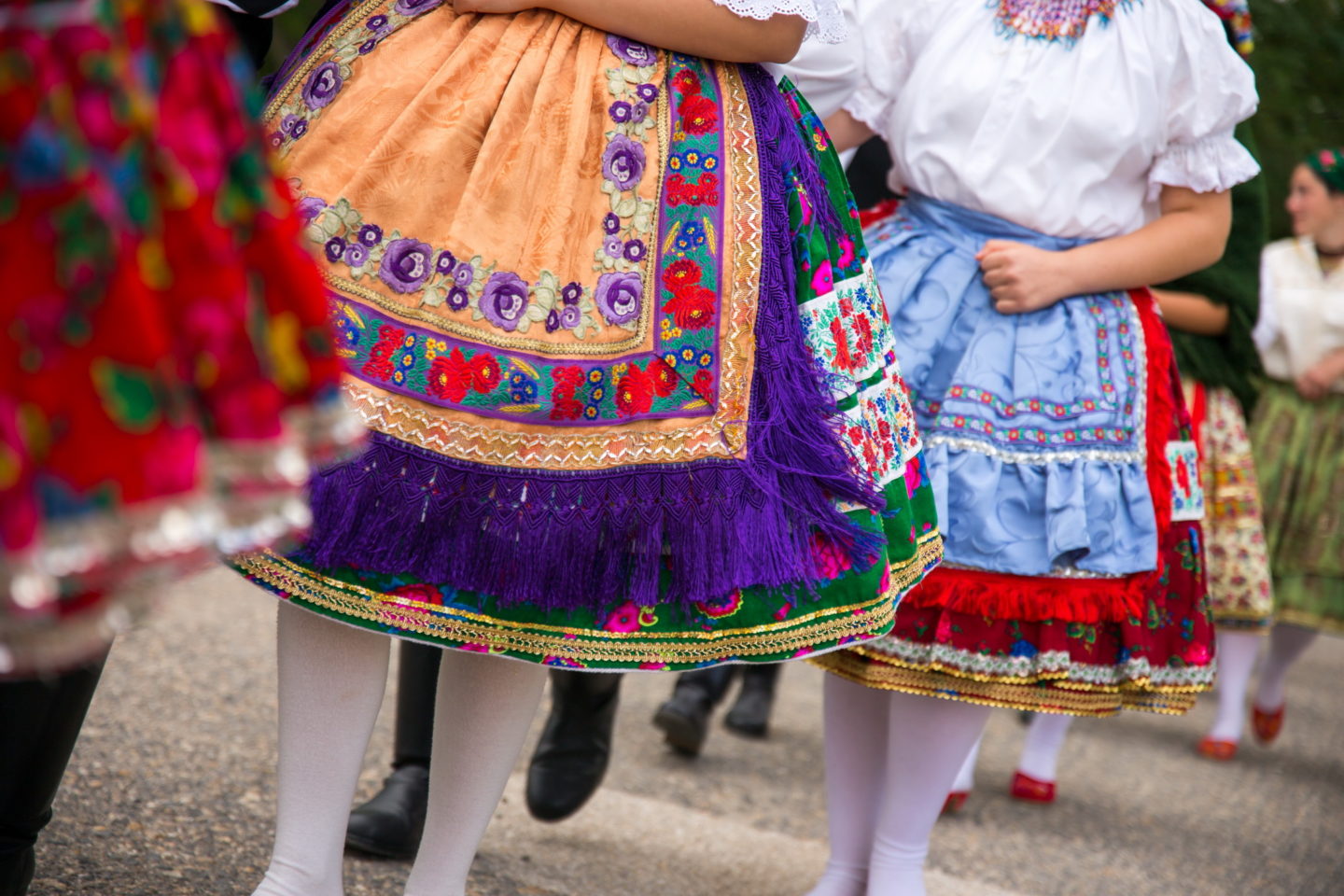
People dressed in traditional Hungarian folk costumes.

The monarchy in Hungary is long gone but the country’s crown jewels are still around. Not literally but in the shape of historic towns packed with baroque buildings, thermal baths galore and some of Europe’s most enticing scenery. And the jewel in the crown is Budapest, the lively capital. Hungry? Goulash is the country’s culinary calling-card, perhaps with a glass of wine while listening to the music of Hungary’s most famous son, Franz Liszt. Cosa can handcraft a personalised itinerary based on your desires.

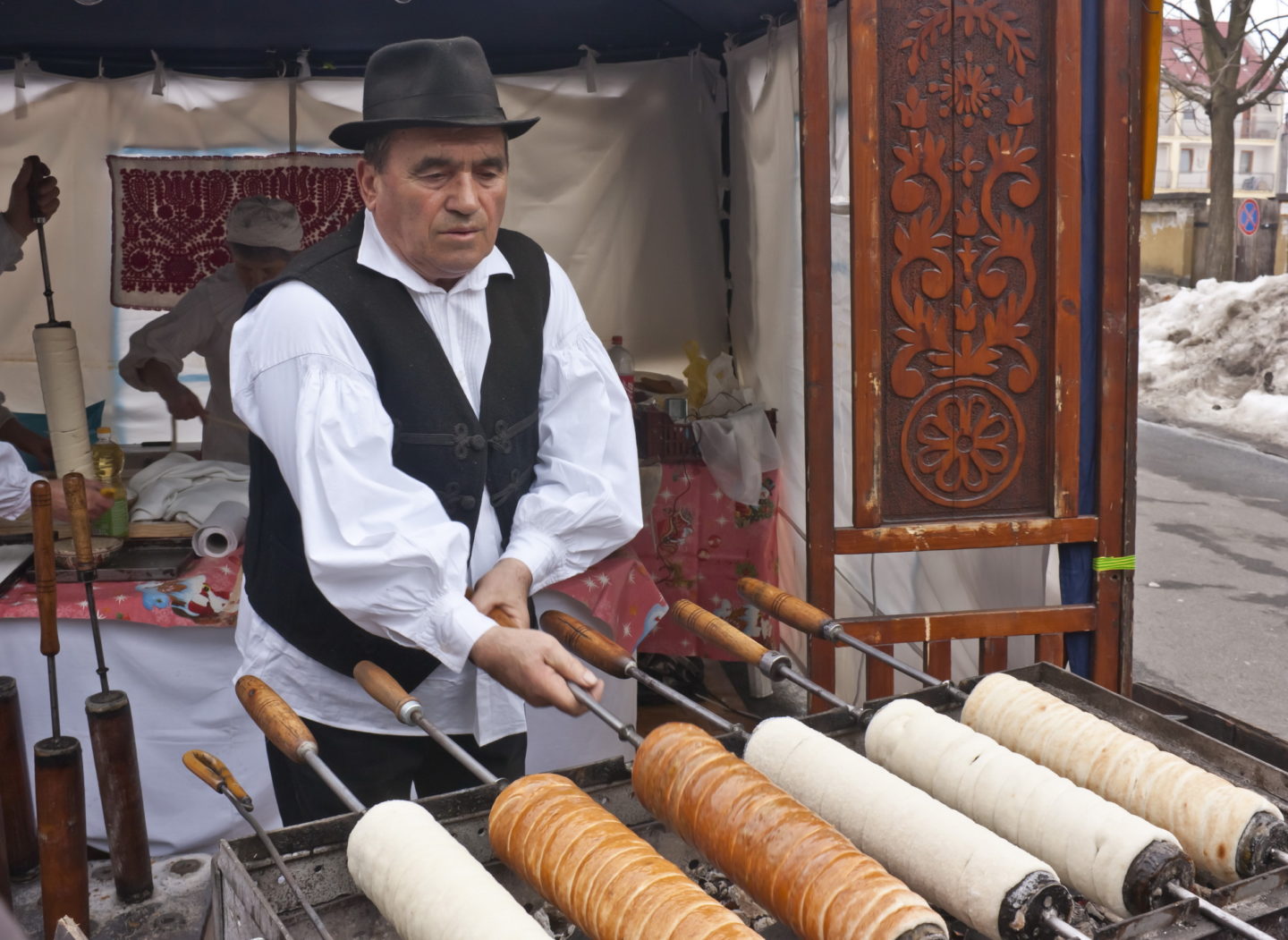
Baker makes traditional Hungarian cakes at the Carnival of the Burial of Winters.
Klara Z
cosa pin pictogram

Where it is

Eastern Europe

cosa calendar pictogram

When to go

March to November

Why go there

Why go there

Historic towns
Traditional culture
Great food


cosa what to see pictogram

What to see

Budapest
Eger
Lake Balaton

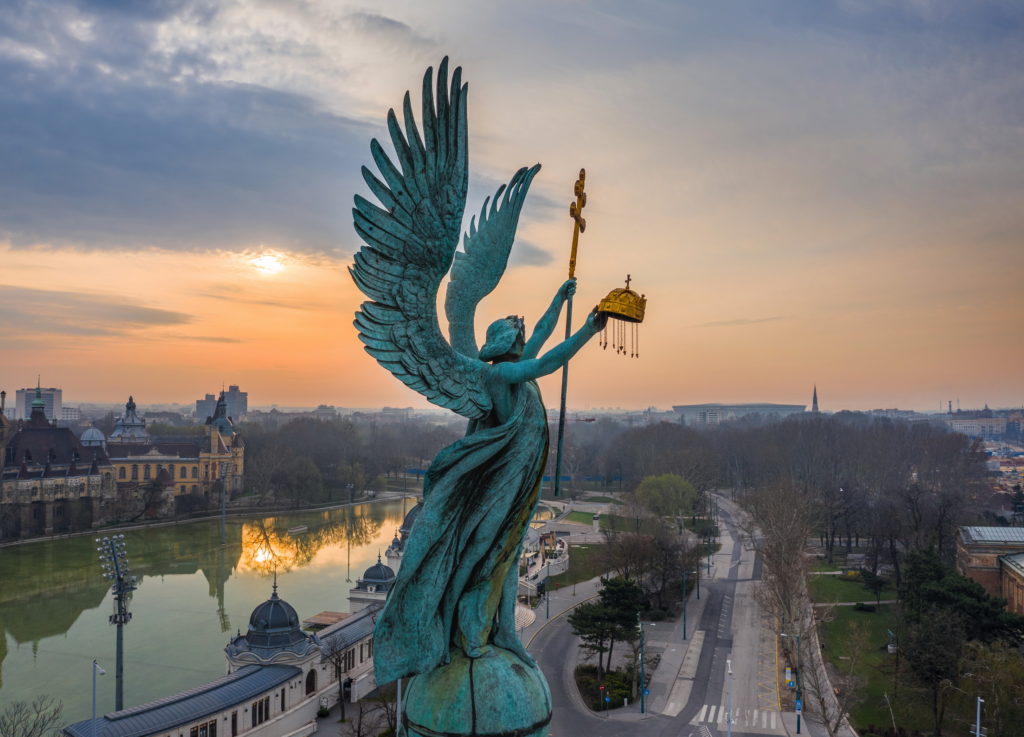
View of Archangel Gabriel on Heroes Square in the morning in Budapest, Hungary.

A city with a split personality

View of Archangel Gabriel on Heroes Square in the morning in Budapest, Hungary.

Divided by the River Danube, Hungary’s handsome capital is a tale of two cities. Discover both historic Buda and hedonistic Pest for the complete picture.
Explore Budapest with Cosa

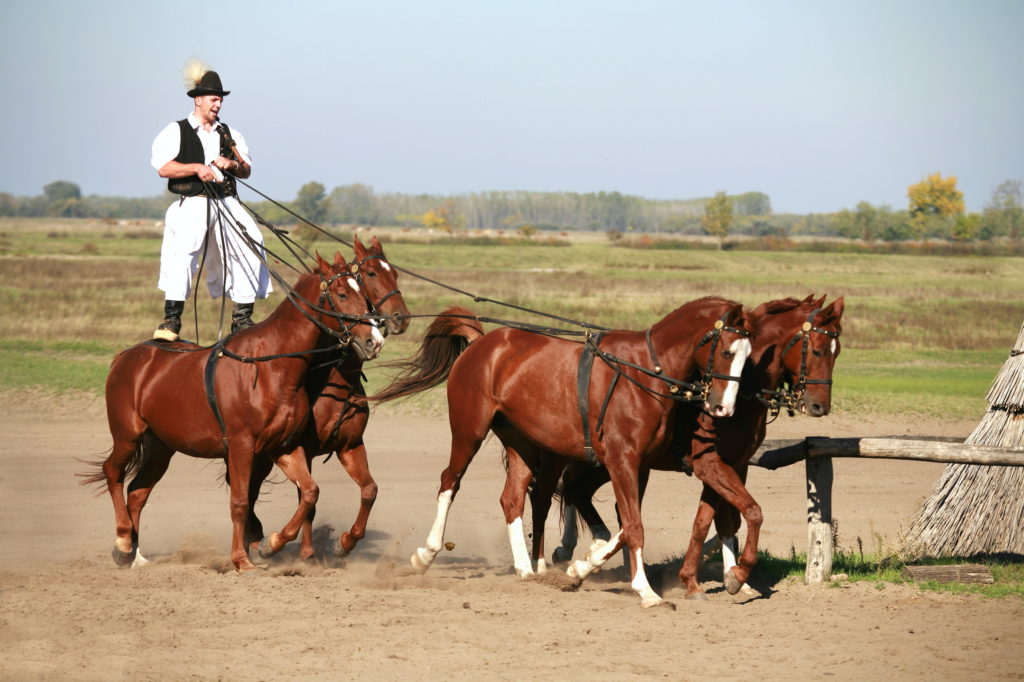
Hungarian csikos in traditional costume shows his trained horses.
acceptphoto

Explore Europe’s cowboy culture

Hungarian csikos in traditional costume shows his trained horses.
acceptphoto

Think of the Hungarian Great Plain as Europe’s answer to the Australian Outback or the American West. Head here to meet some of the legendary csikos (cowboys).

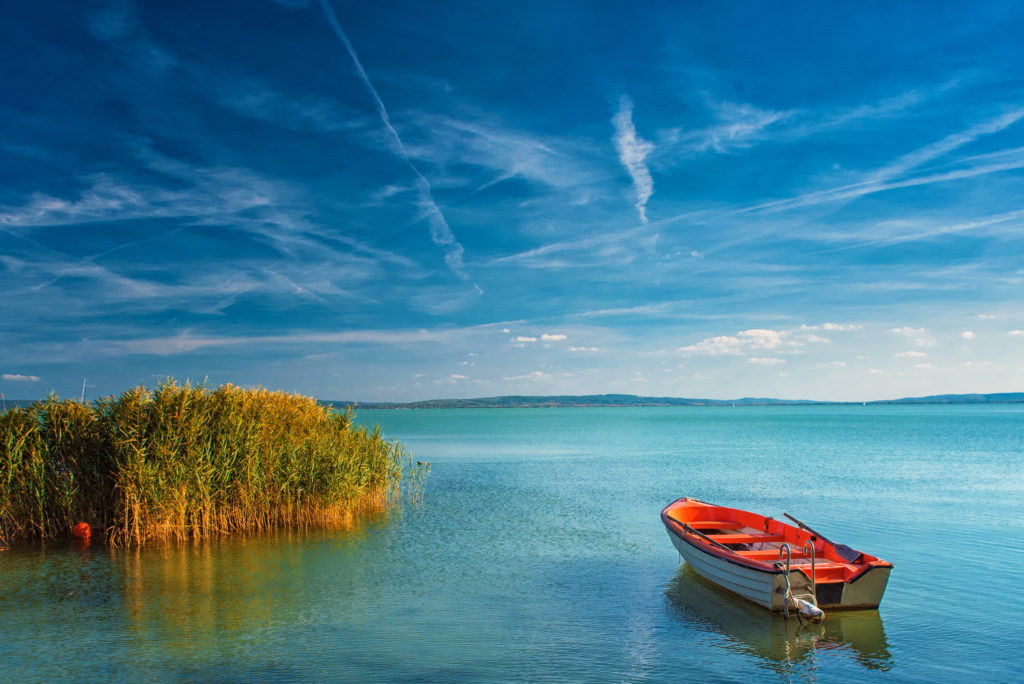
The sparkling waters of Lake Balaton on a sunny day.

Get active at Lake Balaton

The sparkling waters of Lake Balaton on a sunny day.

Lake Balaton, landlocked Hungary’s inland sea, is known as the national playground. Cosa can arrange almost any watery activity, or wine tasting in the lakeshore vineyards.

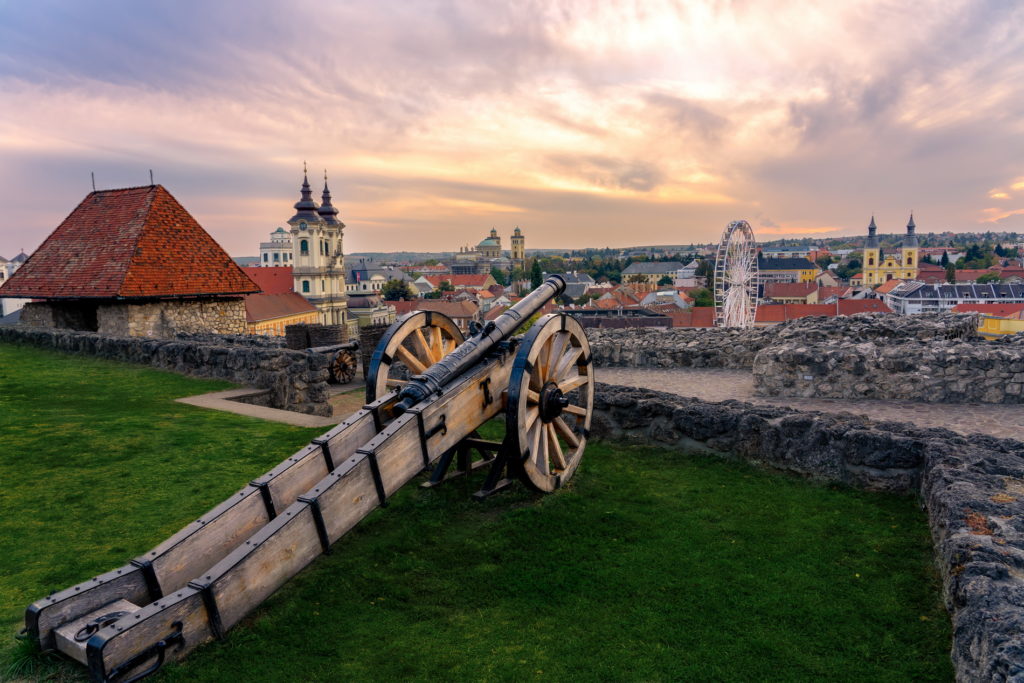
Aerial view of the castle with cannons in Eger Hungary.

A castle with a history

Aerial view of the castle with cannons in Eger Hungary.

Famous for its impressive castle, wine cellars and cobbled streets, Eger isn’t just a pretty face: learn how the town held out against an attack by the Turks in 1552.

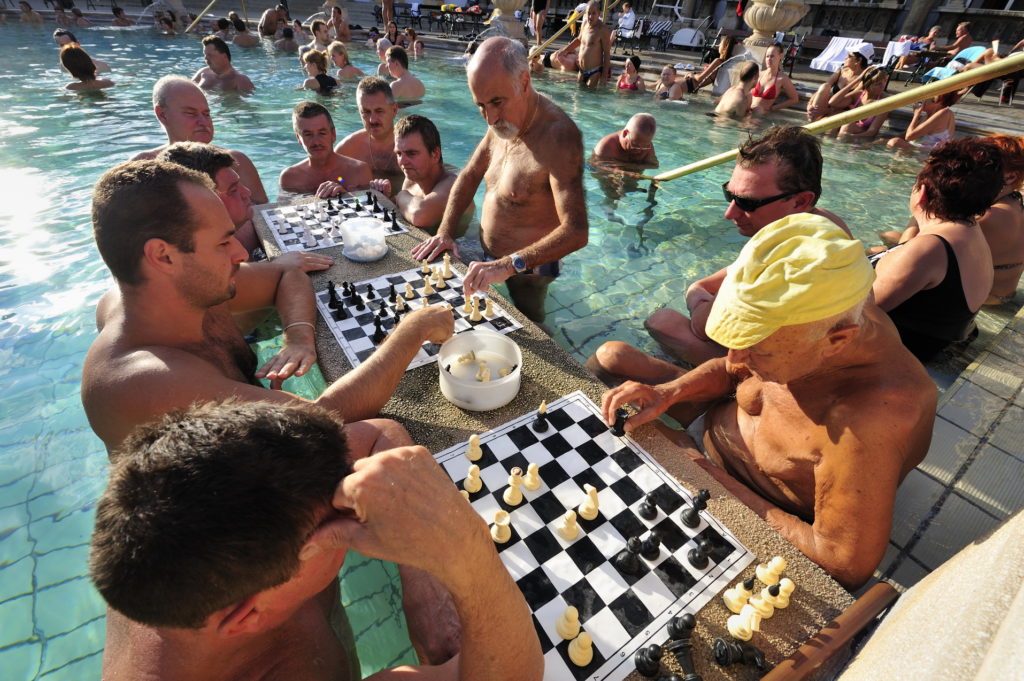
Men playing chess at the Geller Thermal Bath in Budgaest, Hungary.
T photography

Travel in Hungary

Men playing chess at the Geller Thermal Bath in Budgaest, Hungary.
T photography

A landlocked nation in central Europe, Hungary is bordered by seven other countries, most of which were part of the Austro-Hungarian Empire, or Dual Monarchy. That collapsed in 1918, leaving Hungary as an independent state. Domestic travel is easy, with perhaps the most relaxed route being a cruise on gentle waters of the Danube, which runs right through the middle of the country. The biggest challenge might be the language: Hungarian is not related to any other major European languages.

Hungary facts

What does Elvis Presley have to do with Hungary? The King was granted posthumous Hungarian citizenship in 2011, in recognition of his support for the unsuccessful 1956 revolution. However, it wasn’t until 1989 that Hungary’s communist regime fell following the collapse of the Soviet Union. Today, the country is a member of the EU and NATO. What else would you like to know? How about the fact that Hungary has produced 13 Nobel laureates to date, winning every category except peace.

cosa time zones pictogram

Time zone

UTC +1

cosa plane taking off pictogram

Flight time

1.5 hours from Switzerland

cosa local currency pictogram

Local currency

Hungarian forint

Dial code by country

Dialling code

+36

Overview Country

Ghana

Discover a completely different side of Africa

Dancing Ghana woman on the beautiful beach of Axim in Ghana.

West Africa’s rising star may be blessed with gorgeous golden beaches but Ghana is so much more than just a sunbathing destination. Shop for beautiful batik fabrics and Ashanti sandals in the sprawling Kejetia market in Kumasi. Then head north to Mole National Park for encounters with African elephants and kob antelopes. On the Atlantic coast, the country’s coastal forts – once the last stop for captured Africans before they were forced onto ships – serve as a haunting reminder of the transatlantic slave trade.

Man paddling in a traditional wooden canoe, Ghana.
cosa pin pictogram

Where it is

Western Africa

cosa calendar pictogram

When to go

October to March

Why go there

Why go there

Accessible wildlife
Pristine beaches
Fascinating history


cosa what to see pictogram

What to see

Cape Three Points
Mole National Park
Cape Coast Castle

Woman walking on the beach in Axim, Ghana.

Beach bliss

Woman walking on the beach in Axim, Ghana.

Ghana is famed for its sun-drenched beaches that you’ll find hard to leave. One of our favourites is Cape Three Points, where you’ll share the sand with nesting turtles.

Cannons at Cape Coast Castle in Ghana.

Haunting history

Cannons at Cape Coast Castle in Ghana.

The slave trade is long gone but it lives on at Cape Coast Castle, a Unesco heritage site. Overlooking the sea, this whitewashed castle tells the sobering tale.

Wax Print Clothes in the store at Kejetia market in Kumasi, Ghana.

Market trading

Wax Print Clothes in the store at Kejetia market in Kumasi, Ghana.

You haven’t really experienced Ghana until you’ve gone deep into throbbing Kejetia market, and Cosa can arrange a local guide to take you to the very best stalls.

Olive baboons playing with each other in Mole National Park, Ghana.

Wildlife watching

Olive baboons playing with each other in Mole National Park, Ghana.

Ghana has more wildlife than you might imagine, with Mole National Park home to the likes of elephants, buffalo, antelope and baboons. And, you’re likely to have them all to yourself.

Market woman carrying a plate with bananas on her head in Accra, Ghana
Dietmar Temps

Travel in Ghana

Market woman carrying a plate with bananas on her head in Accra, Ghana
Dietmar Temps

Getting around Ghana is easy. Whether you choose to fly, and so avoid long overground journeys, or opt for trotros (small vans) for an authentic Ghanaian experience, you’ll be greeted with a welcome as warm as the sun from affable locals. And wherever you want to visit in this West African gem, Cosa can create a tailor-made tour that’s right for you. Flights from Switzerland to Accra, the Ghanaian capital, are usually not direct so can take a bit longer.

Ghana facts

Sandwiched between Cote d’Ivoire (Ivory Coast) and Togo, Ghana – which means ‘warrior king’ – was once called the Gold Coast, thanks to the trade in that precious metal. The West African nation is about the same size as the UK, its erstwhile colonial ruler until independence in 1957. It’s home to around 33 million people across more than 50 different ethnic groups, each with their own customs and languages. Chances are you’ll see many Ghanaians wearing the kente, the bright colourful woven material that’s become the defining national symbol, on special occasions.

cosa time zones pictogram

Time zone

UTC

cosa plane taking off pictogram

Flight time

12 hours from Switzerland

cosa local currency pictogram

Local currency

Ghanaian cedi

Dial code by country

Dialling code

+233

Overview Country

Uzbekistan

A cradle of culture along the Silk Road

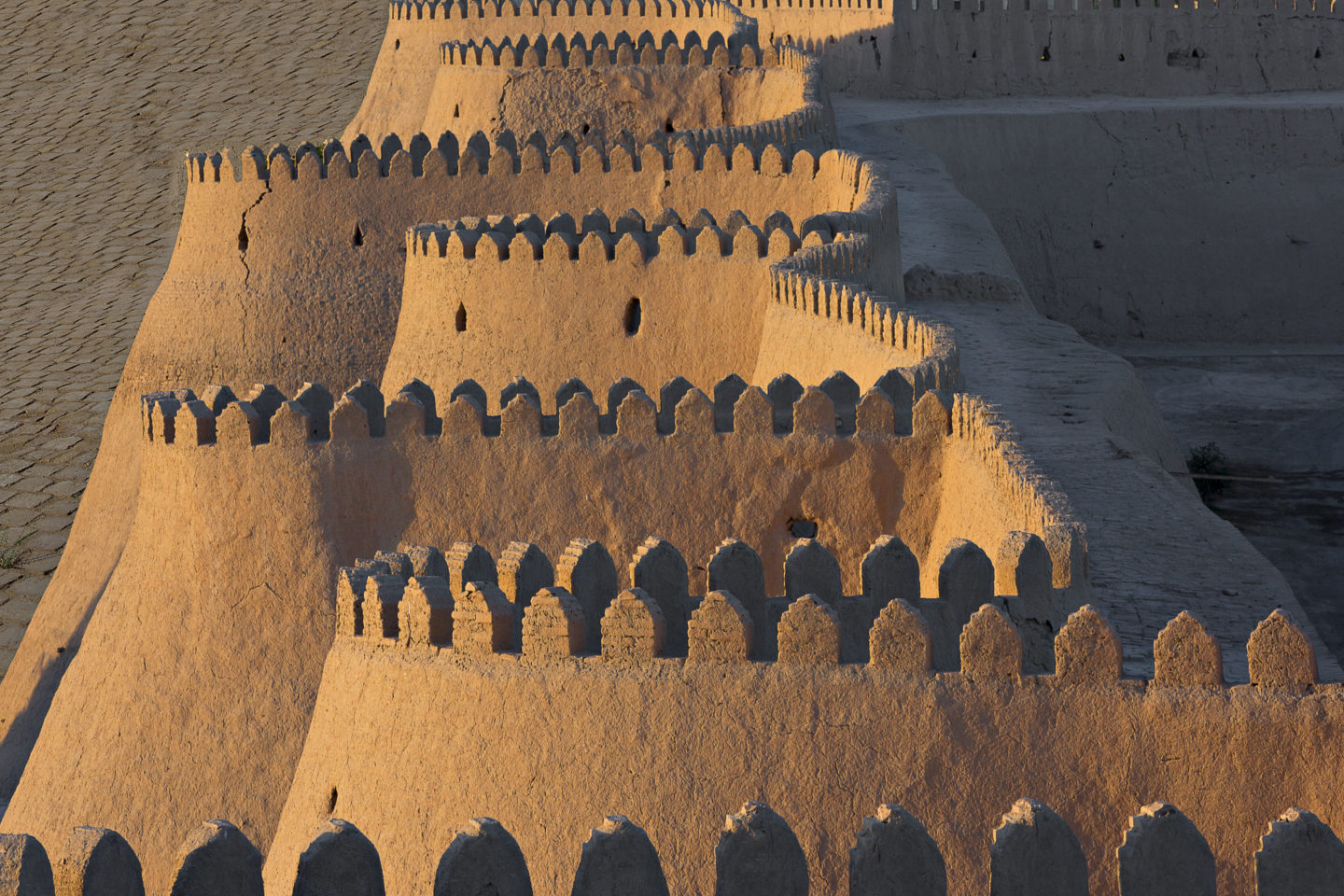
Explore the architectural monuments of Khiva

One of Central Asia’s most coveted countries is brimming with ancient cities, dramatic landscapes and Islamic architecture. Uzbekistan is double-landlocked (meaning you need to cross at least two other countries to reach the sea) but its position along the historic Silk Road opened it up to the world. It is remote and mysterious but Cosa can help intrepid travellers make the most of their time in this beguiling country that many people would struggle to pinpoint on a map.

Silk and Spices is one of Uzbekistan's oldest festivals
cosa pin pictogram

Where it is

Central Asia

cosa calendar pictogram

When to go

March to May
September to November

Why go there

Why go there

Ancient cities
Epic scenery
Islamic culture

cosa what to see pictogram

What to see

Samarkand
Bukhara
Tashkent

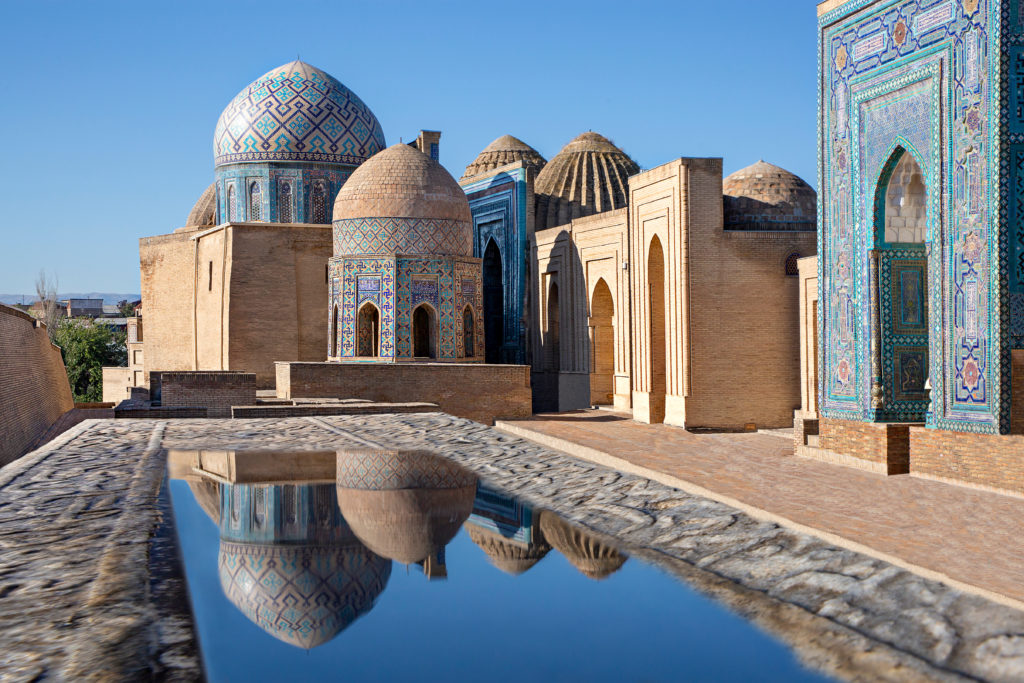
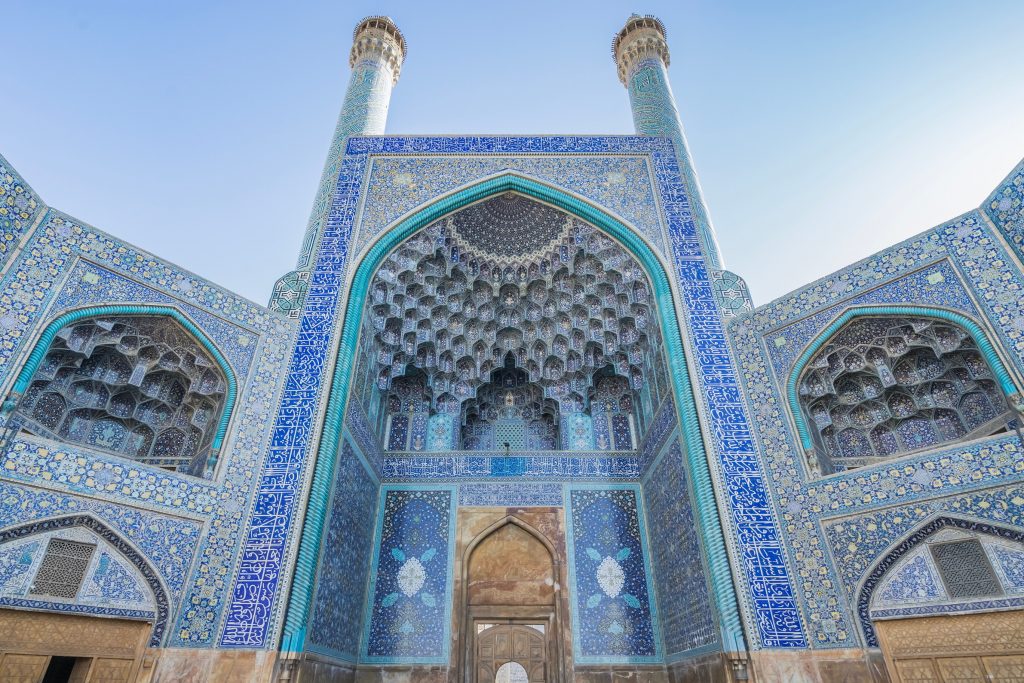
Shah i Zinda is an amazing example of the Central-Asian and Islamic tilework

Explore a Silk Road city

Shah i Zinda is an amazing example of the Central-Asian and Islamic tilework

Samarkand is home to the imposing Registan, a monumental medieval square built by King Timur, while Khiva is a desert delight with fortified walls and tall minarets

Uzbek markets are a reflection of the ancient traditions and custom of the local people

Browse the bazaars of Bukhara

Uzbek markets are a reflection of the ancient traditions and custom of the local people

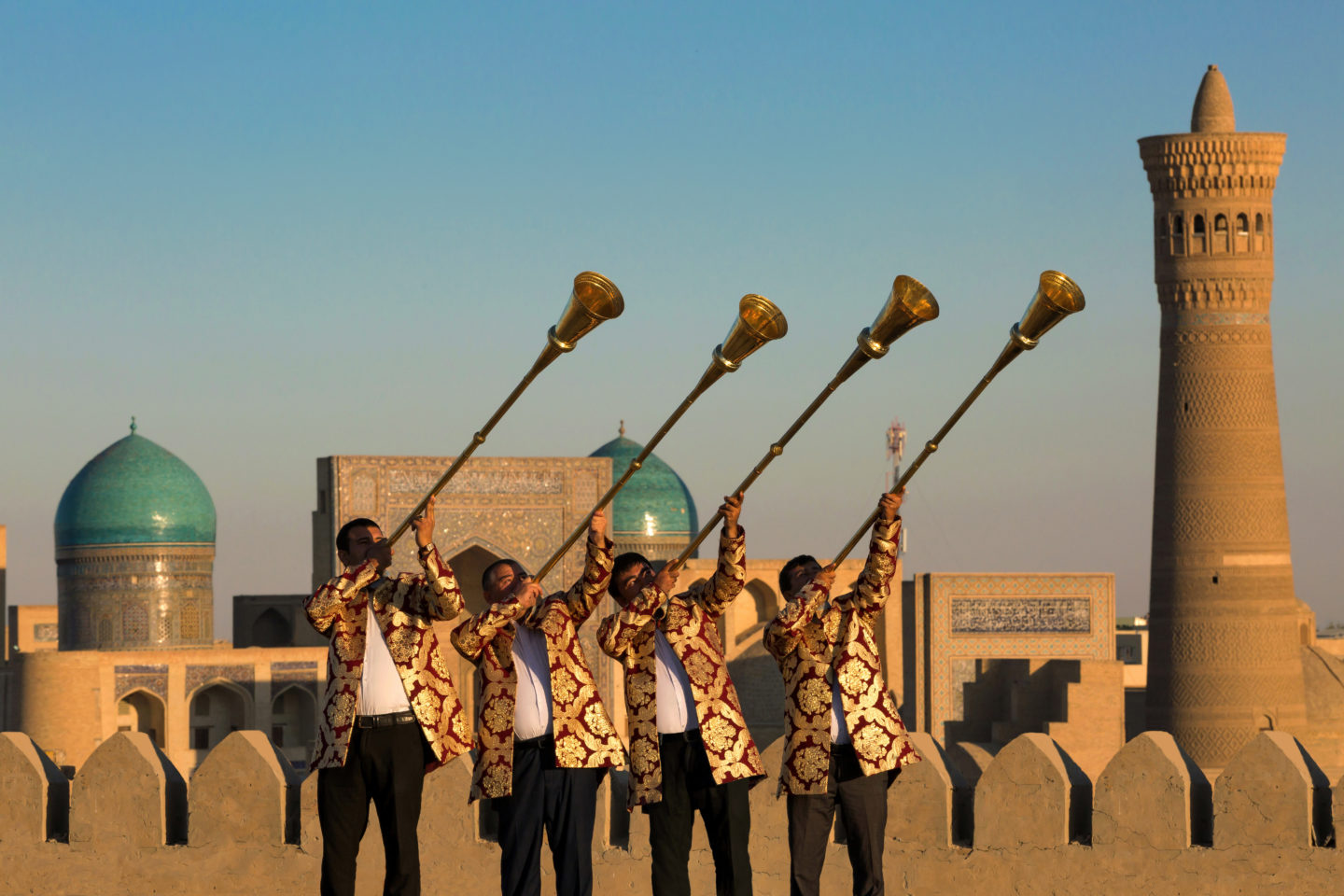
Barter for handmade carpets, doppa hats or suzani textiles in Bukhara’s ancient markets. Then check out the towering Kalon Minaret, once spared by an awestruck Genghis Khan.

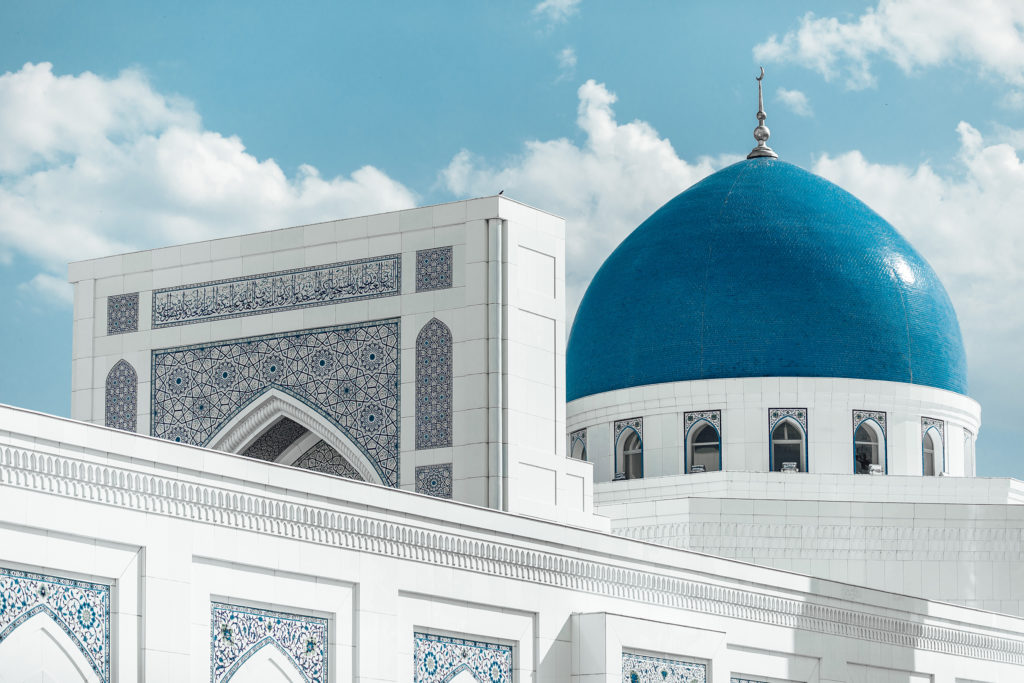
The ancient city of Tashkent is the country's capital city

A capital of contradictions

The ancient city of Tashkent is the country's capital city

In the capital, Tashkent, shiny skyscrapers are juxtaposed alongside sprawling bazaars, medieval mosques and Soviet relics such as the hypnotising Hotel Uzbekistan.

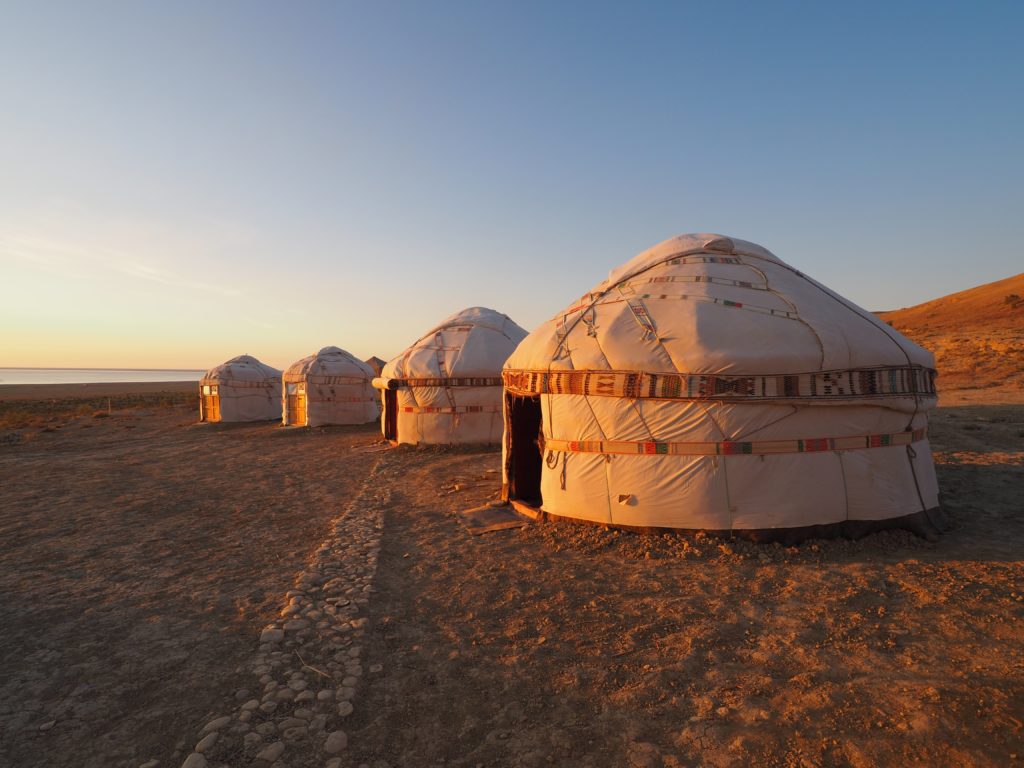
Yurt – a home of the nomads and a true experience while travelling to Uzbekistan

Sleep under the stars in a yurt

Yurt – a home of the nomads and a true experience while travelling to Uzbekistan

Be sure to factor staying in a yurt, a luxurious modern-day take on the traditional nomadic tent-like structure. Expect a beautiful blend of comfort, creativity and nature.

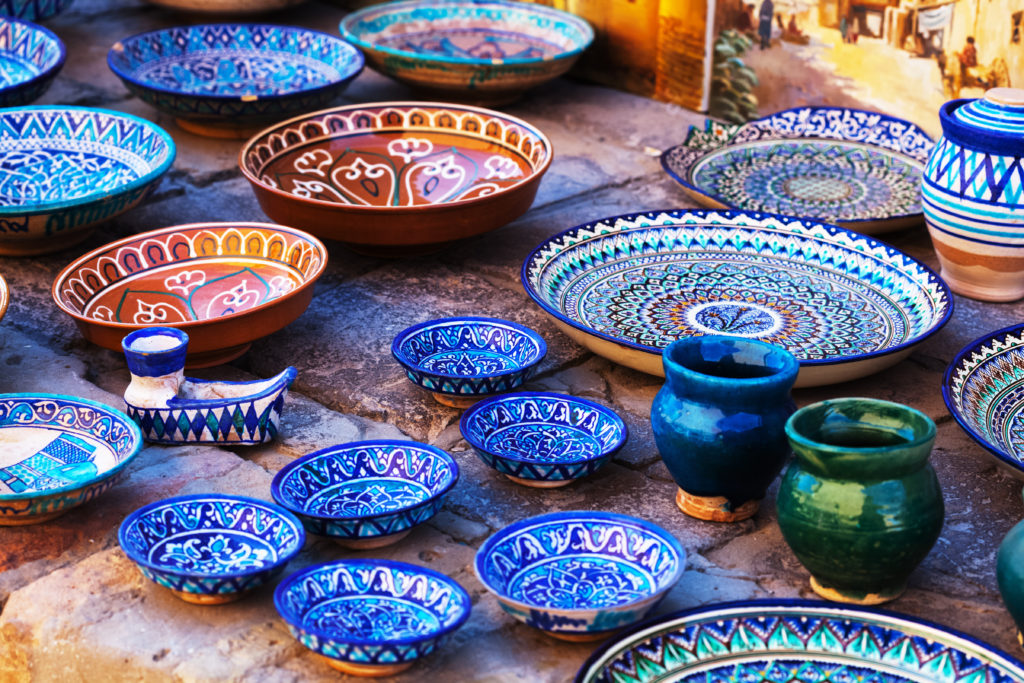
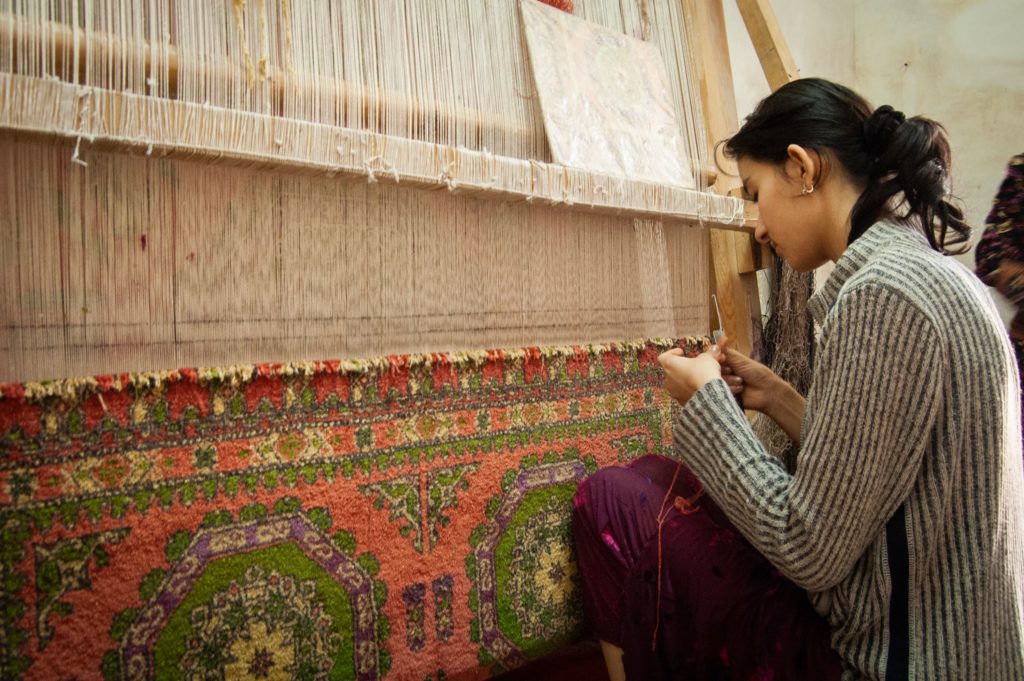
The region of Uzbekistan is home to large numbers of talented artisans

Travel in Uzbekistan

The region of Uzbekistan is home to large numbers of talented artisans

This is a country of vast and varied landscapes, from scorching deserts to wild mountains. While the sights and scenery may vary, you’re guaranteed a warm welcome from the Uzbeks for whom hospitality is a national obsession. In recent decades, Uzbekistan has opened its doors to travellers following regimes changes and a relaxation of visa rules. Distances between destinations can be big but Cosa can organise comfortable private transfers. We can also arrange expert local guides to show you the true character of this central Asian gem.

Uzbekistan facts

The land that we now know as Uzbekistan was once at the heart of the Silk Road, an ancient trade route connecting China with the Middle East and Europe. About the size of Spain, Uzbekistan is one of only two double landlocked countries in the world (the other being Liechtenstein) – but it’s also Stan-locked, as in being surrounded by other -stan countries. The country came under Russian control in the 19th century and emerged as an independent state when Soviet rule ended in 1991. The majority of 35 million inhabitants speak Russian as well as the official language, Uzbek.

cosa time zones pictogram

Time zone

UTC +5

cosa plane taking off pictogram

Flight time

6.5 hours from Switzerland

cosa local currency pictogram

Local currency

Uzbekistani som

Dial code by country

Dialling code

+998

Overview Experience

Cruising at a
new level of luxury

Northern Europe

Expedition Voyage far North among views of iceberg © Scenic cruises

Once you’re on a Scenic cruise, you’ll only have one question: is it a private yacht, a cruise ship or a boutique hotel? The answer is easy: it’s all three. The sleek ship, Scenic Eclipse, is small enough to go where others can’t but large enough for you to have room to breathe. The itineraries are designed to combine inspiring adventures with indulgent relaxation so you get the best of both worlds. The experience is like no other cruise we’ve been on, where luxury and discovery go hand in hand. In fact, we liked it so much, we’d like to spell out exactly why.

S is for service

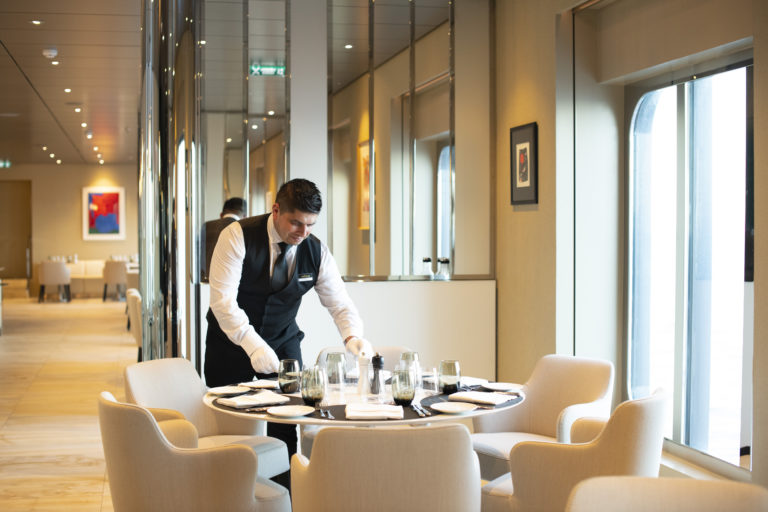
A dressed up man preparing a table in a restaurant on a cruise ship
© Scenic cruises

S is for service

This cruise is all about you, so the service is exemplary. With a maximum of 228 passengers on board, the crew to customer ratio is almost 1:1. It’s clear what a difference that makes, from the butler service that is standard for every room to the open-plan kitchens giving cooks contact with their guests. Even the captain isn’t excluded: the bridge has an open-door policy so you can see how things are run. We’ve never felt so well-looked after on a ship.

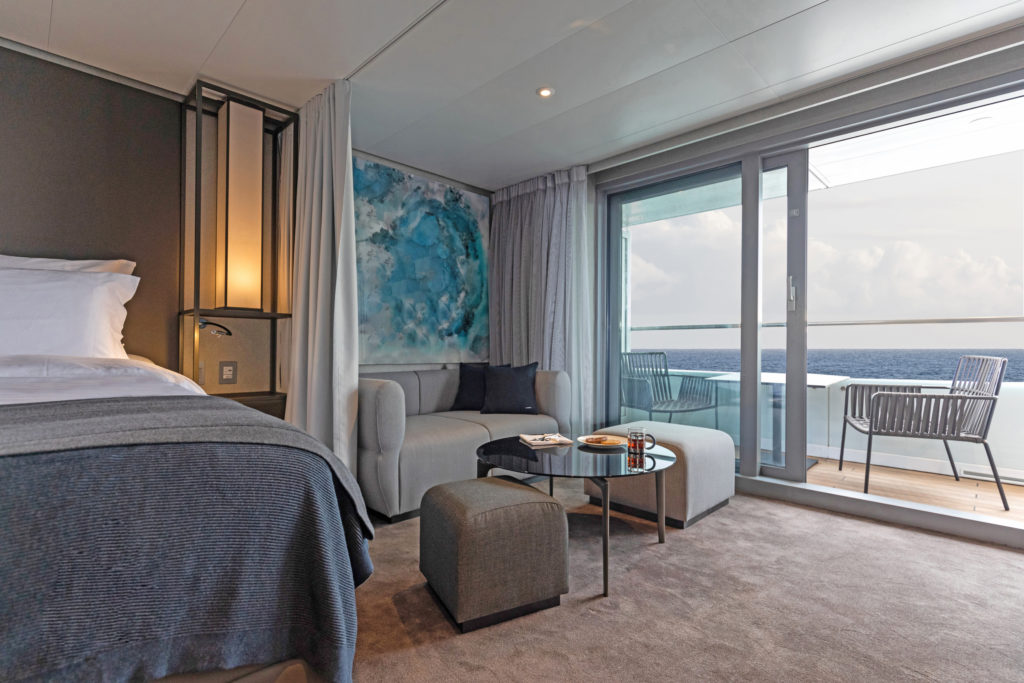
Elegant bedroom in a cruise ship's verandah suite, showcasing a bed and a balcony overlooking the serene ocean.
© Scenic cruises

C is for comfort

Elegant bedroom in a cruise ship's verandah suite, showcasing a bed and a balcony overlooking the serene ocean.
© Scenic cruises

Every cabin is a suite, with a private verandah and rich furnishings in muted colours. That in itself is enough to warrant a trip with Scenic. Throw in plenty of storage space and great sound insulation, and you realise this is cruising at a whole new level of luxury. Public areas are equally swish, making us feel like we’d checked into a chic hotel that just happened to be afloat. Plus, much of the comfort is invisible, such as strong stabilisers to stop the ship rolling in high seas.

N is for nurture

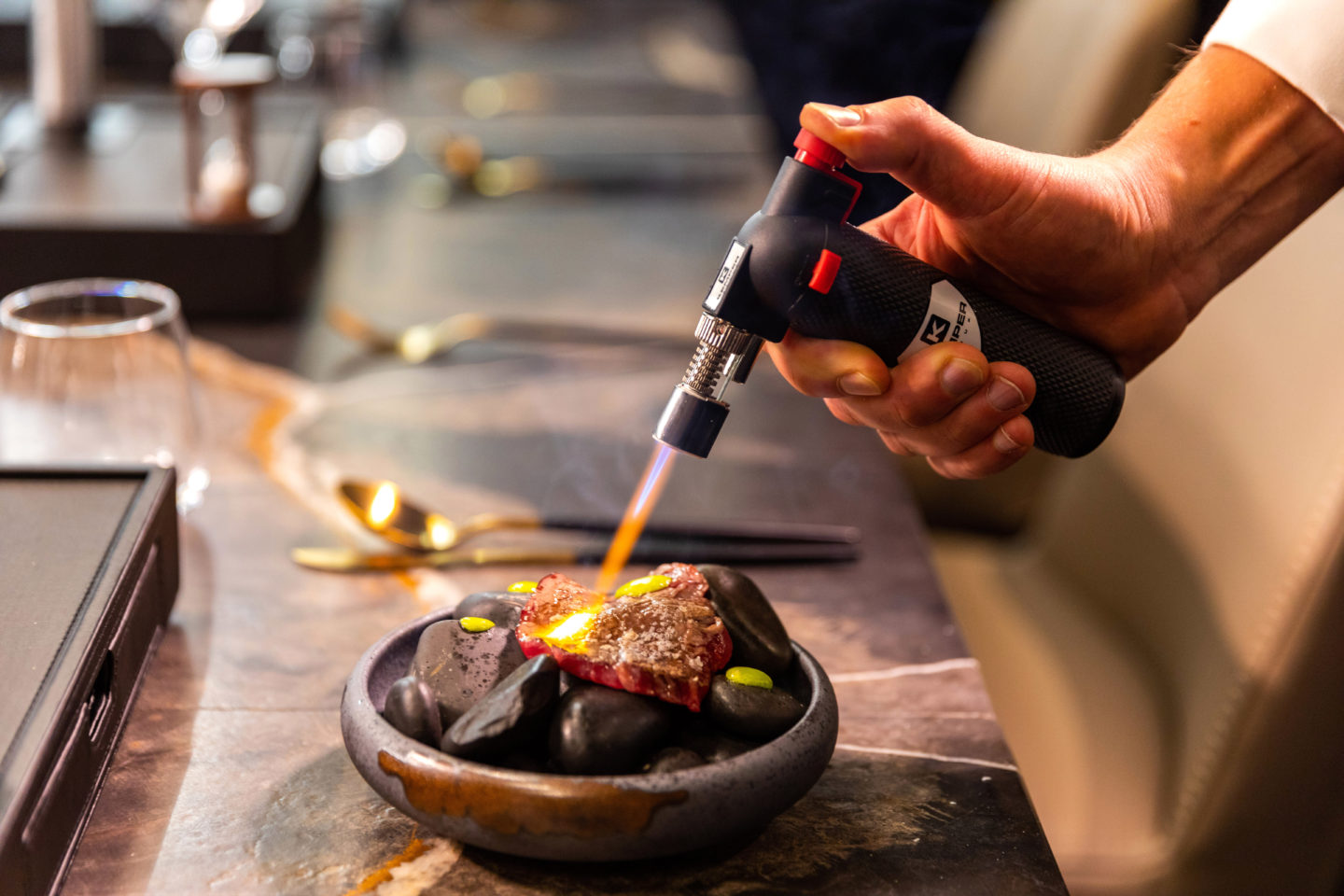
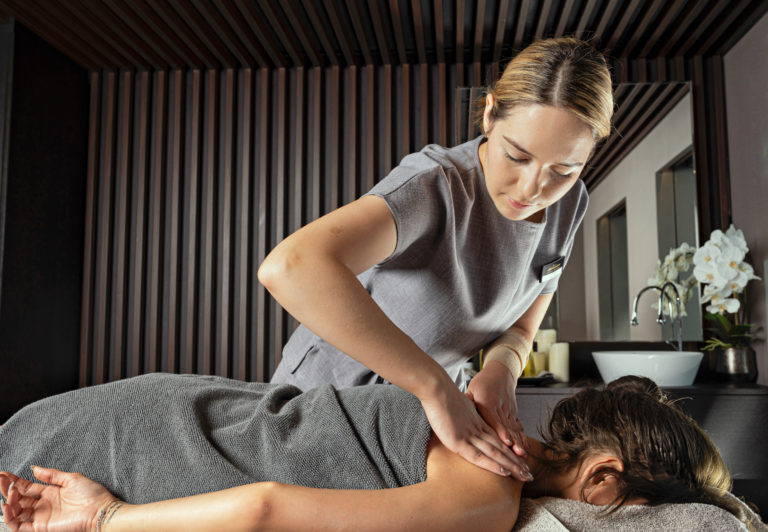
The holistic approach to cruising is perhaps what we liked best about Scenic. The focus isn’t only seeing amazing places, it’s also discovering more about where you are, with an on-board team of experts giving in-depth lectures. Your body is nurtured as well as your mind, with a lavish spa and six restaurants bursting with excellent food. And of all that comes with a commitment to sustainability, such as not using traditional anchors and growing their own herbs on board.

A chef in a restaurant uses a torch to heat a bowl of food
© Scenic cruises
A woman receiving a relaxing massage in a spa
© Scenic cruises

I is for inclusive

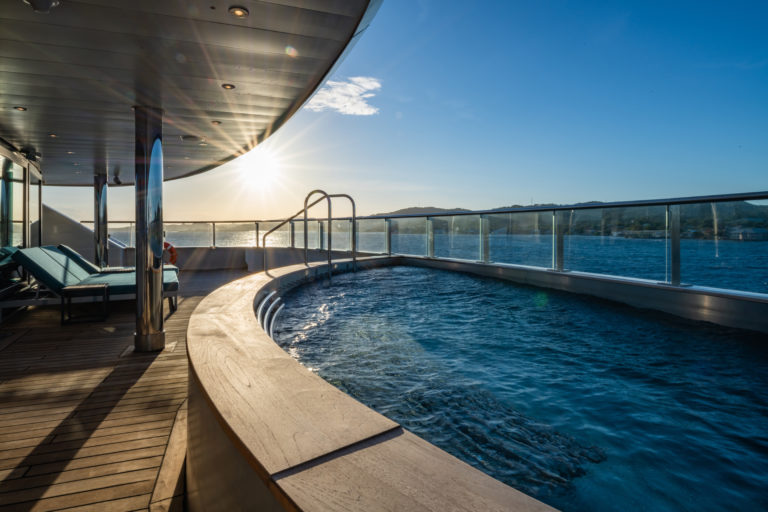
A sunny day on a cruise ship deck, featuring a pool and lounge area for relaxation.
© Scenic cruises

I is for inclusive

With Scenic everything is included, from tips and transfers to wifi and 24-hour room service. And of course, the delicious food – and drinks, from your mini bar to a choice of 100 whiskies. We loved the clarity that brings, with the only extras being the helicopter and submarine rides or spa treatments. It means you can relax and enjoy the trip, knowing that when you leave, you’ll only have happy memories and no final bill full of surprises.

C is for cruising

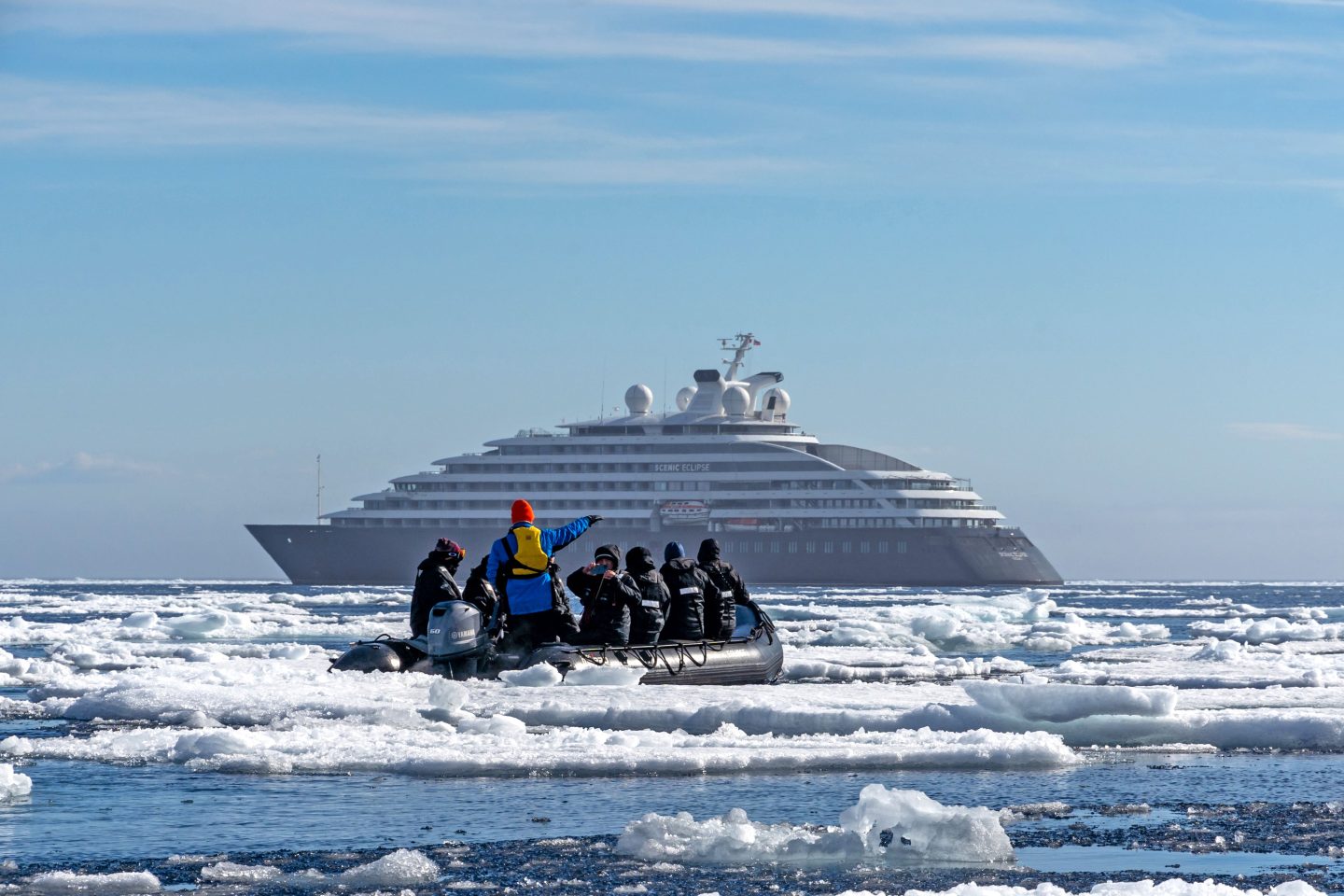
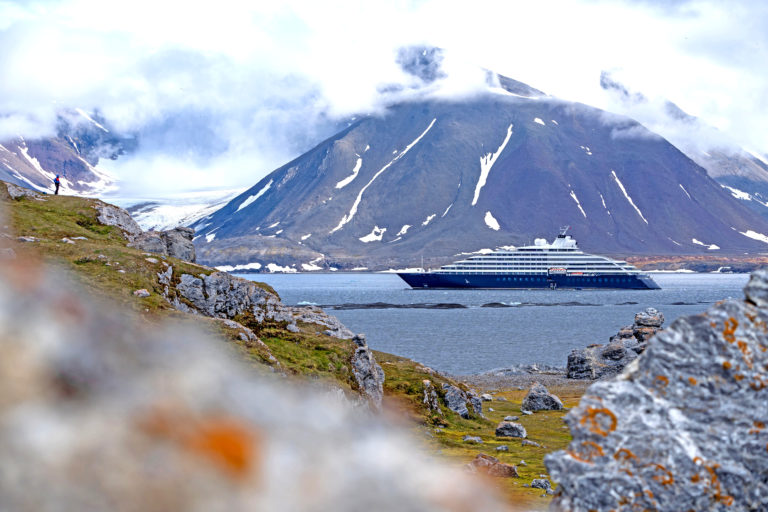
Luxury cruise in midst of scenic ice
© Scenic cruises

C is for cruising

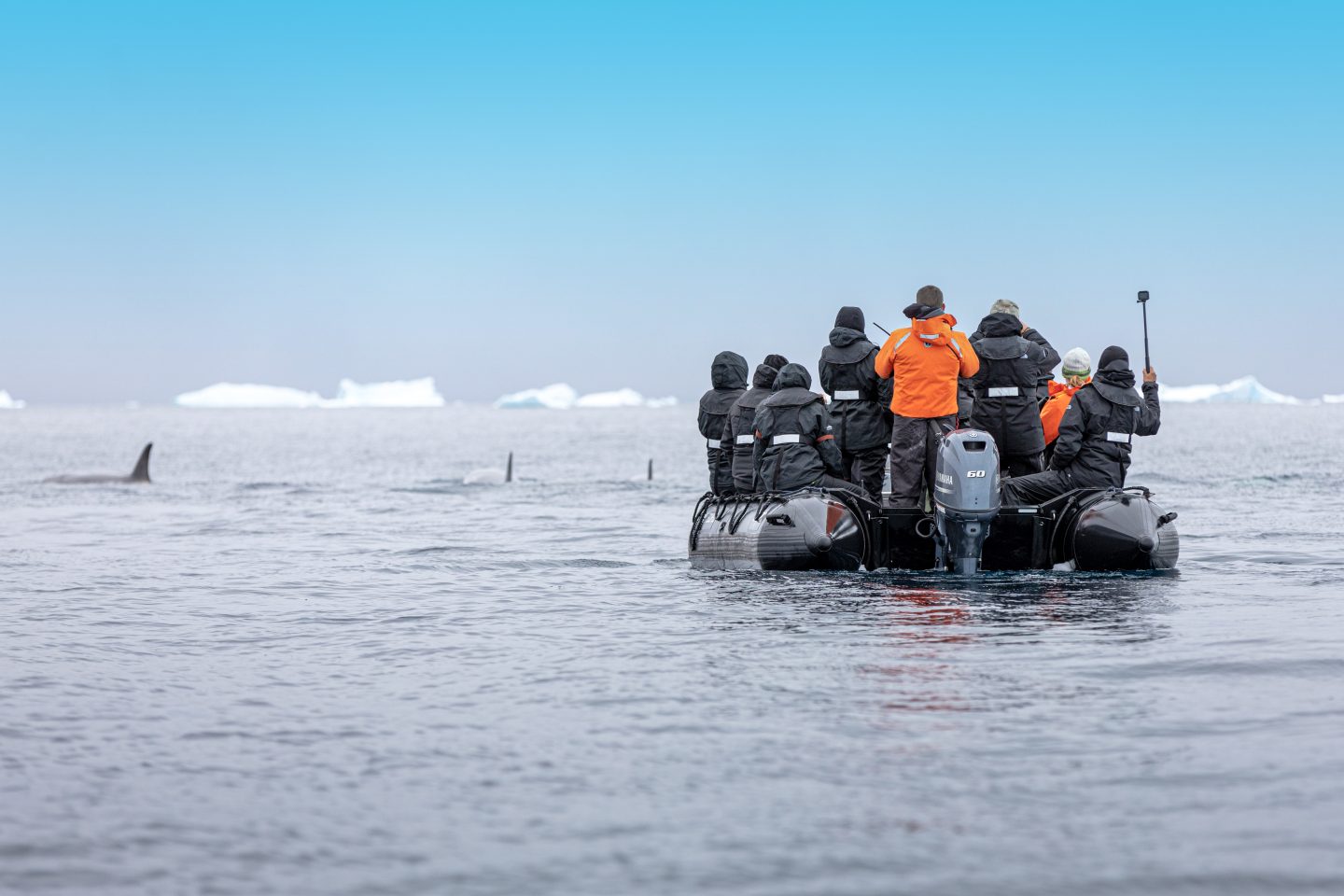
You might take it for granted that a cruise line gets the cruising part right but it isn’t always the case. Scenic manages it perfectly, with plenty of time for excursions or trips ashore and routes that make the most of what’s on offer. For example, the Arctic Islands cruise has four whole days in Svalbard, giving the captain flexibility to go where the weather and wildlife are best. Best of all, every cruise has a relaxed rhythm to each day, so you don’t feel rushed or crowded.

A cruise ship sails in the ocean, surrounded by majestic mountains in a scenic Greenland landscape
© Scenic cruises

The 15-day Arctic Islands cruise takes in the hot springs of Iceland, giant icebergs of Greenland and the wild scenery of Svalbard. It truly feels like you’re on a voyage of discovery, albeit with ultra-modern technology and high-end luxury.

From 2023, Scenic will have two Eclipse yachts making 85 voyages to 54 countries around the world. Ask us for more details.
You can discover all seven inspirations for 2023 here. Or if you’d like to know more, please contact us directly.

Written by: Diccon Bewes on 10 January 2023

Overview Experience

Local festivals
for every season

Switzerland

Die traditionellen Silvesterchlaeuse in der Umgebung von Waldstatt. The traditional Silvesterchlaeuse in the area of Waldstatt. Switzerland Tourism: swiss-image.ch/Roland Gerth

The Swiss love their festivals. So much so that every town and village seems to have one of its own. Some are found across the whole country, such as the descent of the cows from the mountains every autumn. Others, like the spring carnival in Basel, attract crowds in their thousands. Wherever they happen and however big they are, Swiss festivals are not just a date in a calendar but are cherished as part of local life. Yes, many have become attractions for outsiders to watch but they are mainly organised for and by locals. We’ve picked seven of our regional favourites, spread across the year to show that Switzerland really does have a festival for every season.

Chocolates, cauldrons and costumes

Swiss Festival Escalade

Chocolates, cauldrons and costumes

Back when Geneva wasn’t Swiss but still an independent city-state, soldiers from neighbouring Savoy tried to conquer the city by scaling the walls. They hadn’t reckoned with Madame Royaume, who raised the alarm and poured a cauldron of hot soup over the invaders. This unusual victory on the night of 11-12 December 1602 is celebrated today as the Escalade, with chocolate cauldrons that are smashed open to reveal marzipan vegetables. Locals also dress in medieval costumes for official parades and singing door-to-door.

When: December
Where: Geneva

classical concert at the Menuhin festivals in Gstaad Switzerland
Gstaad Menuhin Festival © Raphaël Faux

Musical magic in the mountains

classical concert at the Menuhin festivals in Gstaad Switzerland
Gstaad Menuhin Festival © Raphaël Faux

The cultural scene in Saanenland changed forever when Yehudi Menuhin moved to Gstaad in 1957. What started with two events in August that year grew to become one of the best classical music festivals in the world. Chamber music is still the core of this annual delight but has long been joined by symphony concerts. We love the custom-built festival tent as much as the intimate atmosphere of concerts in local churches. Not forgetting the inspiring scenery all around. For seven weeks each summer, the Gstaad Menuhin Festival lights up many lives so why not join them?

When: July to September
Where: Gstaad

A fiery winter spectacle

In many places a festival of fire would be deemed unsafe. But not in Liestal. Here it’s called Chienbäse and is celebrated the night before carnival starts in neighbouring Basel. It’s an impressive spectacle, with the medieval town centre lit up by fire in all shapes and sizes. Giant flaming carts get pulled through the narrow streets and vast wooden torches are carried on weary shoulders. You can feel the intense heat on your face but remember to wear old clothes and a hat: flying embers land everywhere.

When: February or March
Where: Liestal

Two men in hats hold torches and sticks during the Chienbaese parade in Switzerland
Switzerland Tourism: swiss-image.ch/Christof Sonderegger
A large bonfire, capturing the vibrant atmosphere of the Chienbaese festival in Switzerland.
Diccon Bewes

Ringing in the start of spring

A group of singers wearing red hats, celebrating Chalandamarz at a festival in Switzerland.
Switzerland Tourism: swiss-image.ch/Christof Sonderegger

Ringing in the start of spring

Boys in blue smocks and red hats are a common sight on 1 March in the Engadin and Val Mustair, Graubünden. Many of them carry huge cow bells (around their waists, not their necks!) while older ones crack long whips and the rest sing in groups. Girls traditionally don’t take part, though some villages let them join in. Known as Chalandamarz, this is to celebrate the end of winter, with the bells and whips there to scare away the evil spirits and welcome the start of spring.

When: March
Where: Graubünden

Everything you can do with chestnuts

A man tossing food on an open flame at the Castagnata festival in Switzerland
Switzerland Tourism

Everything you can do with chestnuts

Nothing marks the changing of the seasons quite as clearly as food (or the weather, though that is getting more unpredictable). And nothing says autumn quite like chestnuts, as much in colour as in taste. This little brown wonder is celebrated all across Ticino in October and nowhere more so than the Castagnata in Ascona. Here the marroni are centre stage, with over 2000kg of them roasted or transformed into delicious jams, breads and cakes. It’s a sensual feast, thanks to the crackling fires and sweet chestnuts.

When: October
Where: Ascona

Celebrating the New Year twice

Some traditions are so special they simply must be celebrated twice. That’s the case with Silvesterchlausen in Appenzell Ausserrhoden, which marks the new year under two calendars: first the Gregorian in December and then the Julian in January. Local men (but not women) walk from house to house and farm to farm, ringing bells and singing old songs. All are dressed in elaborate costumes, ranging from velvet suits with beautiful carved headdresses to leafy robes and papier-maché masks. It’s one of our favourite festivals.

When: December and January
Where: Urnäsch region

A group of people in green attire and hats celebrating at a winter festival in Switzerland
Switzerland Tourism
A close-up of a man wearing a blue and white mask, showcasing traditional Swiss festival attire during Silvesterchlausen.

Alphorns galore!

At the Nendaz festival in Switzerland, men in hats and shirts , highlighting the alp-horn culture.

Alphorns galore!

You’ve undoubtedly already heard an alphorn, maybe even two or three together. Just wait until you’ve heard 150 being played at the same time: guaranteed to give you goosebumps. Every July the town of Nendaz hosts this grand ensemble and also an official alphorn competition. Nothing says Switzerland more than the sound of music from this impossibly long instrument. It needs around 70 hours of labour to make one – and roughly as long to learn to play a tune! Originally used for communicating in the mountains, it’s now an essential part of Swiss tradition.

When: July
Where: Nendaz

You can discover all seven inspirations for 2023 here. Or if you’d like to know more, please contact us directly.

Written by: Diccon Bewes on 11 January 2023